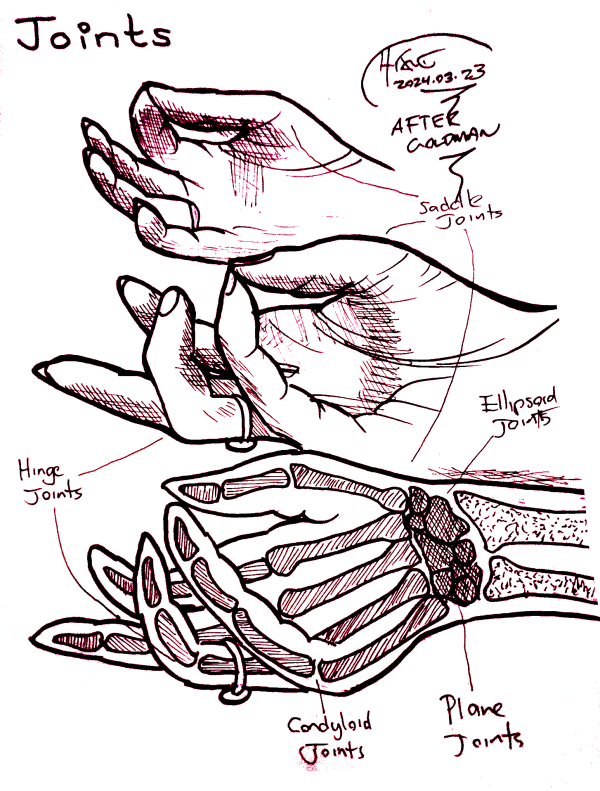
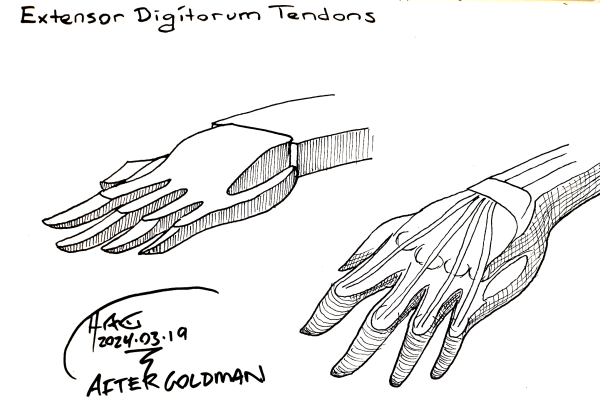
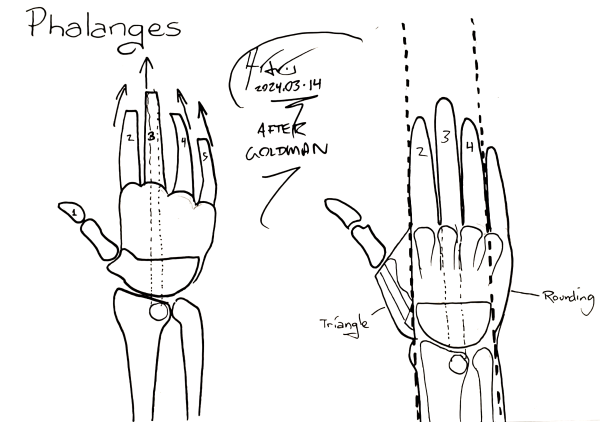
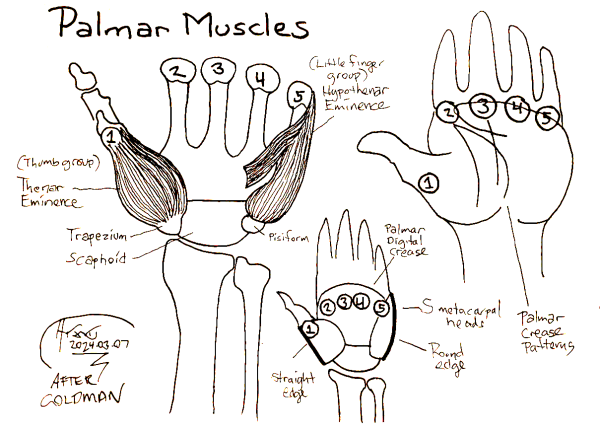
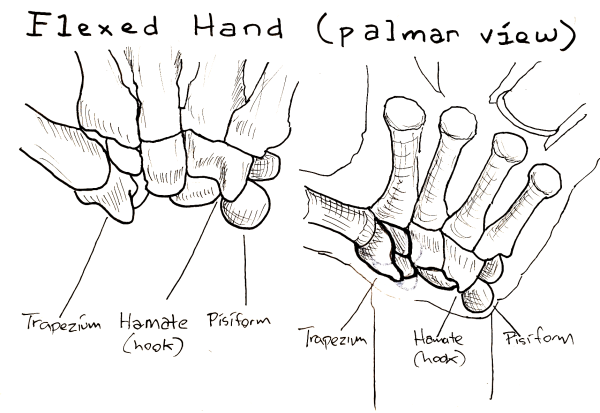
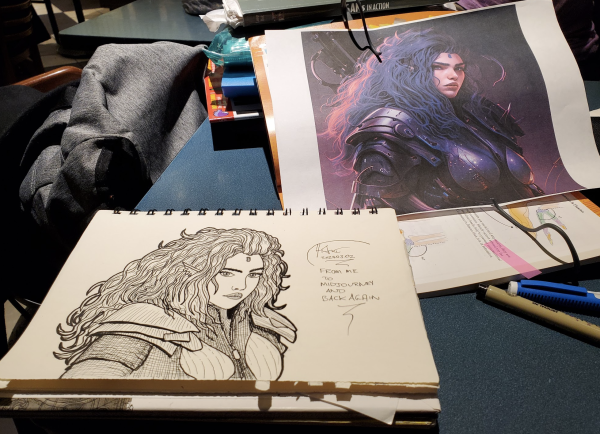
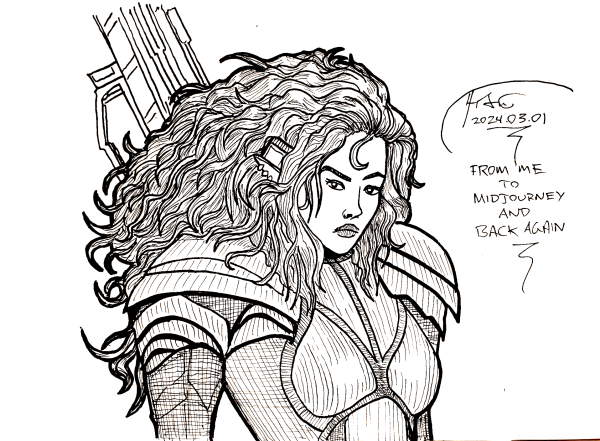
The transfer is poor because I took this picture in low light - since my smaller notebooks don't like to lay flat, and I didn't pack a scanner in my suitcase, I've been taking photographs rather than scanning my Drawing Every Day pieces, and cleaning them up as best as I can - and the source drawing itself is this kind of weird stack of overlapping images. But I think this drawing shows, more or less, the gist.
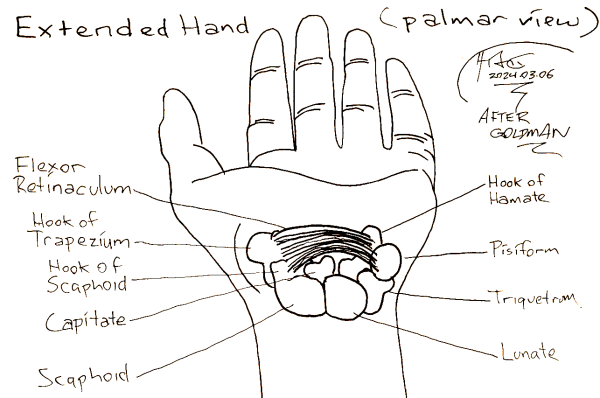
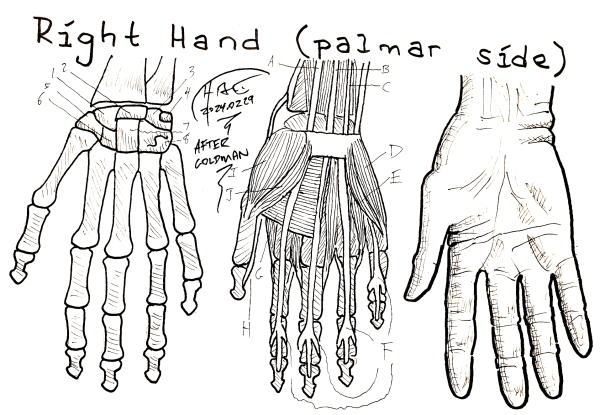
SO! Apparently yesterday I went through the last of my Drawing Every Day 2024 buffer ... but I had time during a break between panels to do one drawing this week, and I've booked time for drawing tomorrow morning, so we will NOT be having a break in coverage today! More hands, by the way.
Drawing on average every day, posting every day that I can.
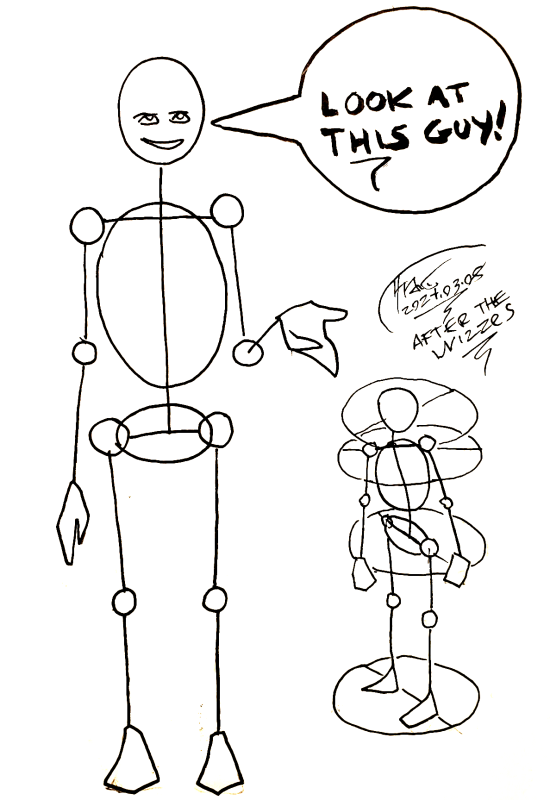
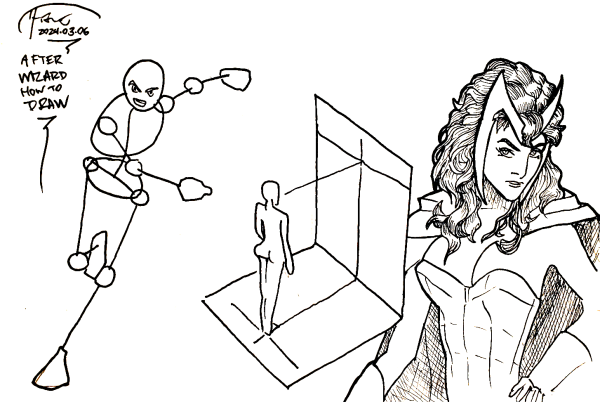
Still more sketches, this time based on Wizard: How to Draw. Being methodical sometimes leaves me feeling goofy, but the step-by-step approach is creating much more confidence once I go through it.
So the proportions of this superhero (Nightwing?) aren't too far off what they were in "Wizard: How to Draw", but a much better artist can make this level of stylization look much better than I can.
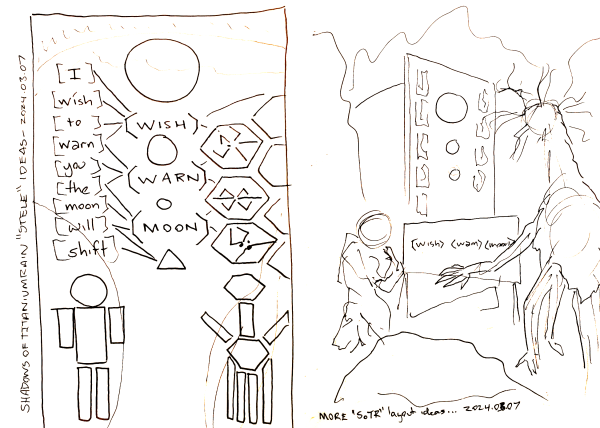
A couple of conceptual sketches for a planned illustration for my story "Shadows of Titanium Rain." Not very intelligible at this stage, but this is a stage I need to get comfortable at so I am not simply drawing and hoping it turns out, but planning my drawing for it to become a success.
Drawing at a rate of once daily, posting every day.
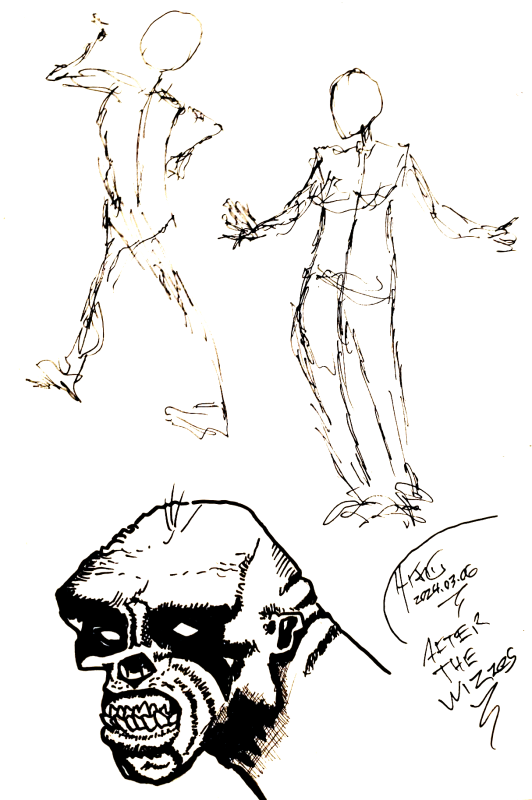
Recreating front matter sketches from "Wizard: How to Draw". I like the inking technique they used on the toothy monkey-zombie dude in the bottom left, though it's hard to recreate with my portable art kit.
More from the Wizard Basic Training How to Draw book. It surprises me how much I got out of doing the stick-man and outline sketches - they showed me limits of my existing practice (and conversely, how much I've progressed in other areas, like hand shape and arm length). Still, a lot of work to do.
Also, some superhero costumes REALLY look like lingerie in disguise. Just sayin'.
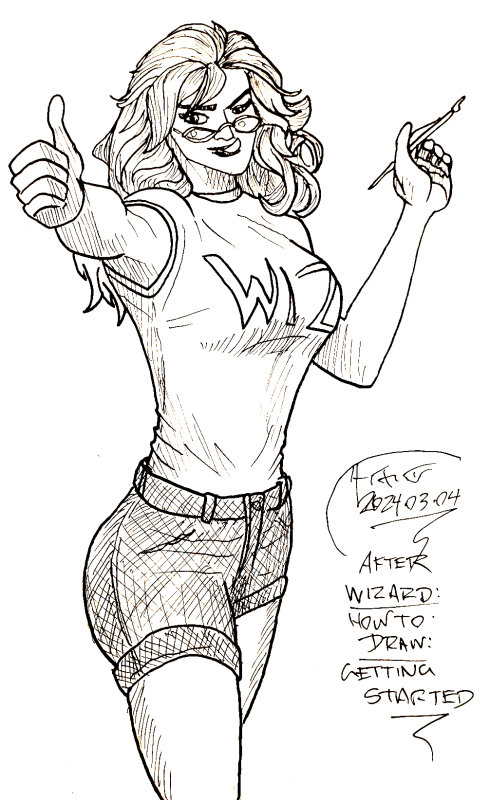
For years I've been carrying about the book The Best of Wizard Basic Training: How to Draw: Getting Started, trying to make progress in it, and failing. But, my new methodical approach based on Goldman's book seems to be working, so I'm going to add the Wizzes into my drawing rotation. Let's see how it goes.
Frankly speaking, if I was to do it all over again, I'd start with the hands and feet, as they're the hardest part, and when you start trying to draw a person but can't finish it due to the hands and feet, it's hard to really feel that the drawing is done. I don't really feel that anymore, though I know I have a long ways to go.
Drawing every day, methodically, through a set of exercises.
Trying a continued focus on the shape of faces and position of eyes. I think it's getting better, though the tilt of the face is off a bit; at least it is decently proportioned and the eyes aren't all over the place.
This is the last of the Porsche character sheets in this series, and I'm going to dive in to finishing the hands and feet Goldman book before switching gears to faces. Still, this exercise turned out not too bad ... and I am now seven days ahead on drawing every day AND scheduling them for posting.
Drawing every day, on average, posting as far ahead as I can.
Next up: editing work on SPECTRAL IRON, Dakota Frost #7!
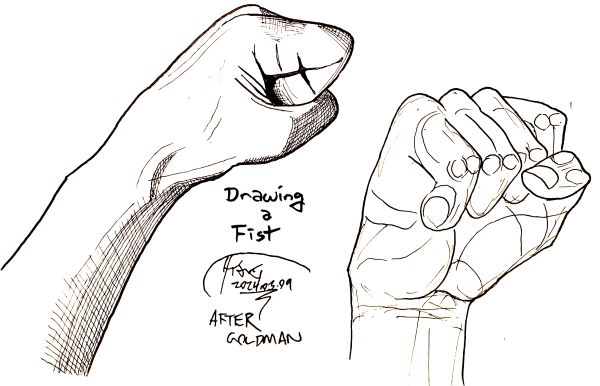
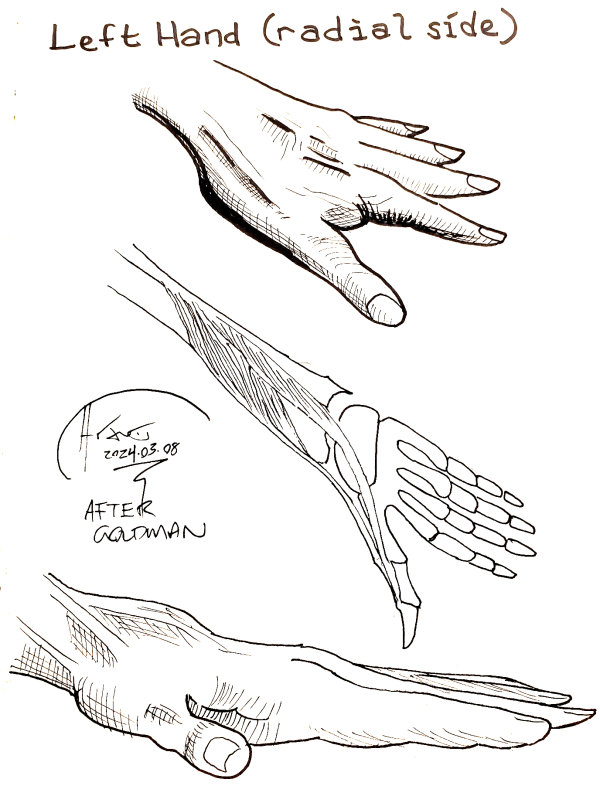
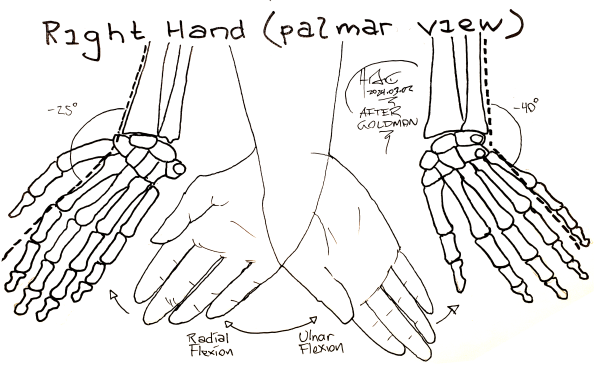
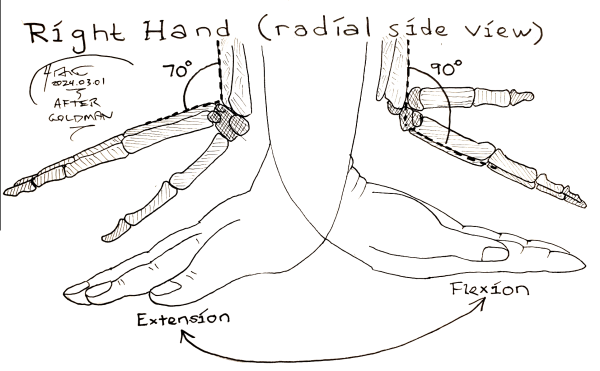
In theory I should be writing tonight, but I'm so close to being a week ahead on drawing (meaning, tomorrow I can fully coast if I want to) that I feel like I should just power on through. More Goldman studies of how the hand flexes towards the radius or ulna.
Drawing every day, with a buffer; posting in advance when I can.
Another study of a Midjourney-generated character sheet for Porsche the Centaur. (All of these similar-looking ones were generated using variations of a similar prompt; they never got much better, but they're good variations on a theme). Overall, getting better on the eye placement, now that I'm focusing on it; also the head to hair ratio is better but not great; also the shoulderpads are high or the chin is low ...
Drawing more or less every day; posting as regularly as I can.
SO! I am still chasing down places in my life where I have been “letting things pile up” and, as a consequence, causing myself stress down the road when I have to clean it up. And I found yet another one - tied in with my drawing / blogging projects.
I have a tremendous complexity tolerance compared to some of the people I’ve worked with, to the point that I’ve been repeatedly told that I need to focus the information that I’m presenting in a way that more clearly gets to the point.
But when piled complexity passes even my tolerance level, I get EXTREMELY stressed out. I knew I got stressed from time to time, but as part of examining my behavior and mental states looking for triggers - inspired by Devon Price’s Unmasking Autism - I zeroed in on dealing with the piles as the actual problem.
Online files aren’t quite as bad - I think it is the actual physical piles that become intimidating, though I think any task too big for my brain to wrap around all the things that need to be done, like editing a novel, may cause the same problem - and so, as part of working on Drawing Every Day, I decided to clean up those files.
I already had a good system for this, broken down by day and year … which I was not using. Now, in theory, you could throw all these files into a bin and forget about it, or even delete them, but I hope to use my files for a deep learning project, so it will likely benefit me to categorize the files as I go.
But, as part of trying to “get ahead”, I’d been working fast, letting the files pile up. This, I realized, easily could turn into one of those aversive pile situations, so I dug in today and fixed it. As a result, I didn’t get to all the things I wanted to get to over lunch.
For decades I’ve had the habit eat-read-write, and my weekend lunches and brunches are a particularly precious writing / coding / thinking time for me. I gets a sad when I don’t get to fully use that time, as today where I spent time on cleanup and I have remote meetings with my friends and my small press in the afternoon.
But this work has to get done sometime, or it won’t get done. And for this project, my collected files for Drawing Every Day will become useless if they aren’t organized - not just for the hypothetical deep learning project, but also for me, in reviewing my own work purely artistically to decide where I should put my learning effort next.
For me, I’ve had to learn not to be so hard on myself. By many metrics, I get a lot done; by other metrics, I feel unproductive, disorganized, even outright lazy. But the truth is that there’s a lot of groundwork that needs to be put in to make progress.
I’ve been trying to teach myself game development since, hell, the early 2000’s. Most of the time, other than a little side effort on interactive fiction, I didn’t make any progress at this, because it was always more important to code for work, to draw, and then, after I got my drawing laptop stolen and got a novel contract not too far apart, to write.
After I got laid off, I decided, “now’s the time! I’m going to do games!” Of course, that didn’t happen: I and my research collaborators had a major paper in flight, a workshop to plan, and I had to launch a consulting business - all while still writing. While I did read up on game development, and spent a lot of time thinking about it, no coding got done.
But most of your learning is on the plateau: you don’t appear to be making progress, but you’re building the tools you’ll need to progress when you’re ready. So all the work I’ve been doing on consulting and for the research projects is looping back around, and I’ve used what I learned to start not one but three tiny games projects.
It’s not likely that I’ll release any of these - at this point, I am just futzing around trying to teach myself - but it is striking to me how much we can accomplish if we put in continual effort over a long period of time and don’t give up.
I can’t tell you how many people over the years have told me “well, if you haven’t seen progress on something in six months, you should quit” or “if you haven’t worked on something in two years, you should get rid of it”. I mean, what? This is terrible advice.
If you want to be productive, don’t take advice from unproductive people. Productive writers and artists typically have apprenticeships lasting anywhere from a year to a decade. It can take years of work to become an overnight success.
And many of the steps leading to that success are unglamorous, tiresome, unsexy scutwork, like organizing your files so you know what you have, or reviewing them so you can decide the next learning project you need to take on to master a skill.
The work has to be done sometime. Best get on with it.
-the Centaur
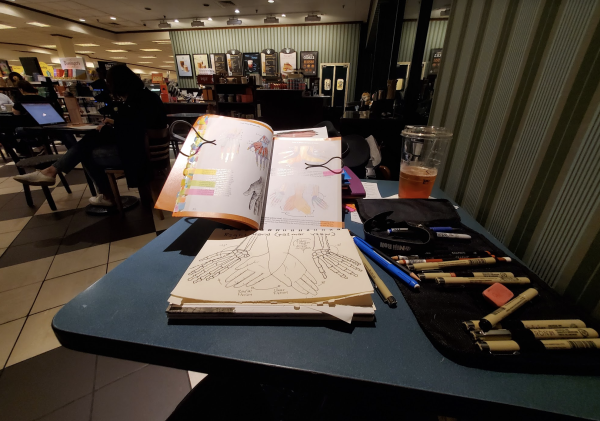
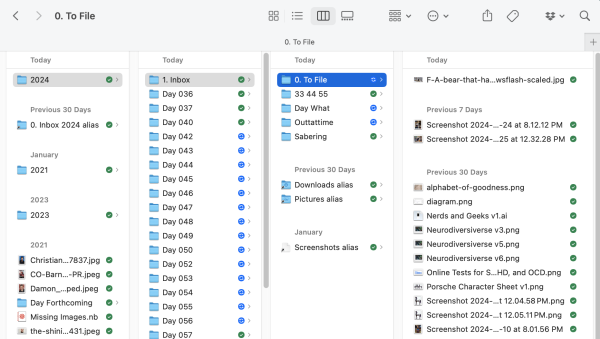
Pictured: the Drawing Every Day project files, post-cleanup and organization. There’s still a bin of files that need to be filed, but they’re a very contained bin, compared to the mess there was before. Also, a picture of this essay being composed, at my precious Saturday lunch-read-and-write.