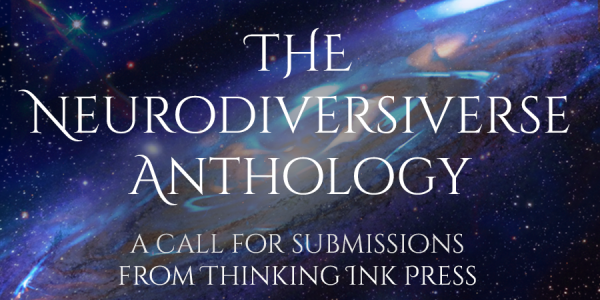
Hey folks, I and my coeditor Liza Olmsted are happy to announce we're looking for stories for THE NEURODIVERSIVERSE ANTHOLOGY, which will explore how neurodivergent folks might have an advantage in dealing with aliens whose thought processes might also be different. From the call for submissions:
The universe is filled with aliens—creatures with different histories, cultures, and even biologies—who may seem strange to us. But our world is filled with a diversity of people, many of whom find each other strange. One particular group finds the rest of humanity especially strange: neurodivergent people.
Would neurodivergent folks find themselves at an advantage in dealing with aliens?
We're looking for short stories, flash fiction, poetry, and black-and-white line art. You can find out all the details at www.neurodiversiverse.com. Send us your stories! We can't wait to read them.
So far, so good, on the new strategy of starting off with the projects, rather than the maintenance: I've tweeted, checked in with LinkedIn, worked on some non-fiction books, am blogging, and am about to switch gears to writing my Camp Nano entry, SPIRAL NEEDLE.
Jim taked to me about how prioritizing book-writing was critical for his process. I don't really have to do that for fiction - or, more properly, I have structured my entire life around ensuring I have time set aside for fiction writing, so at this point it is practically free - but non-fiction books are new to me.
But one of his other suggestions baffled me, not because it didn't make sense, but because it made too much sense - except I was already doing it, and it wasn't working. Jim pointed out that most people go through periods of vigilance, slump, and recovery during their day, and that as a morning person he reserved book writing, which required critical thinking, for his early vigilant time. Errands like bill-paying worked well for him in the slump, and he felt most creative in the recovery period in the evening.
Okay, great, I thought, I can use this. Already I can see shifting the order I do things in my day - as a night owl, I start my day off in the slump, recover from that, and then get increasingly and increasingly vigilant the further and further I go into the night. (If I have a project due and no obligations the next day, this can go on for hours and hours before exhaustion starts to outpace execution and productivity finally drops).
So maybe switch errands to earlier in the day, I thought, and productivity in the afternoon. But wait a minute: I'm already using my late nights for my most creative time. Why isn't this working.
What I realized is that I have an irregular schedule. In THEORY my late-night time is my most productive time, but in PRACTICE on some nights I get an hour, on some nights I get two (or five) and on some nights I am already so wiped that I really don't get much done at all.
But I do almost always get something done in the morning, even if it takes me time to get rolling. And for me, catching up on papers or writing notes or catching up on my blog is a mostly mechanical activity: it's not that creative thought isn't required, but it isn't to the level of, say, a novel or a scientific paper, where a hard-won sentence may be the result of a half an hour's search tracking down a key reference or fact, or, worse, an hour's worth of brainstorming alone or meeting with others to decide WHAT to write.
So: I can't count on myself to do a creative "chore" - something that has to be done regularly, like blogging or social media, or something that has to be done incrementally over a long period of time, like collating references or thoughts for a non-fiction book - by putting it in my evening creative block. The evening creative block is too irregular, and needs to be reserved for novels and art anyway.
The fix: blog (et al) in the morning.
Let's see how it goes.
-the Centaur
Pictured: tomato and lettuce sandwiches for breakfast, with the leftovers of the tomato as a side dish. At the breakfast table is Christopher Bishop's Pattern Recognition and Machine Learning, also available as a PDF, the latest of a long series of "difficult breakfast table books" which I laboriously read through, a page at a time - sometimes, one page over several days, until I "get" it - to increase my understanding of the world. Past breakfast table books have included Machine Vision, A New Kind of Science, and Probability Theory: the Logic of Science, the first is out of date now, but the latter two are perennial and highly recommended.
tl;dr: get to the point in the first line in your emails, and also in the subject.
"TL;DR" is an acronym meaning "Too Long; Didn't Read" which is used to introduce a quick summary of a longer document - as I did in the first line of this email.
Often when writing an email we are working out our own thoughts of what should be communicated or should happen - which means that the important point usually comes at the end.
But people don't often read to the end. So it's important, when you get to the end of your email, to port the most important point up to the top (which I typically do with the TL;DR tag).
And, even better, if you can put it in the subject line, do that too.
Your email is more likely to work that way.
-the Centaur
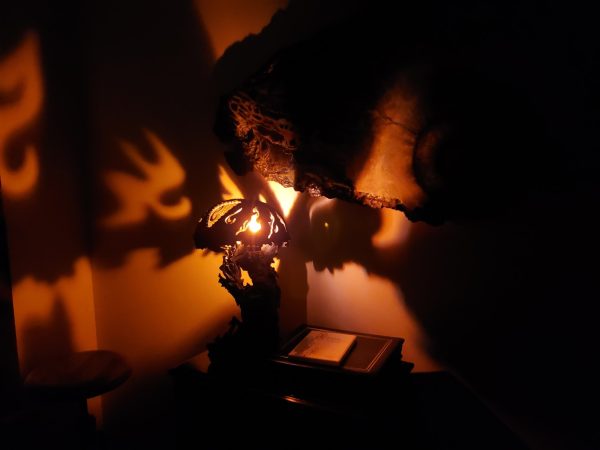
Pictured: our wedding dragon lamp, sitting on a side table with our wedding DVD, which is sort of a coincidence; and a very cool light bulb.
Discussed: a topic I swear I've written about in this blog, but I cannot find via searching past posts.
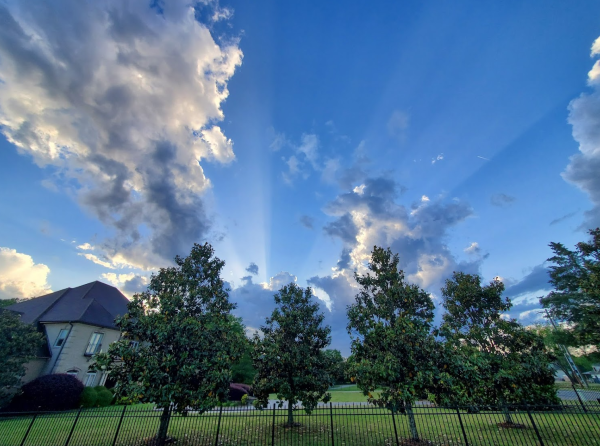
After truly terrific hailstorms, we were treated to a truly awesome sunset.
And, got some work done on editing SPECTRAL IRON: Dakota Frost #4. FINALLY, getting the rewrite of the slow section rolling with some good Dakota Frost action segueing right into an ambulance ride.
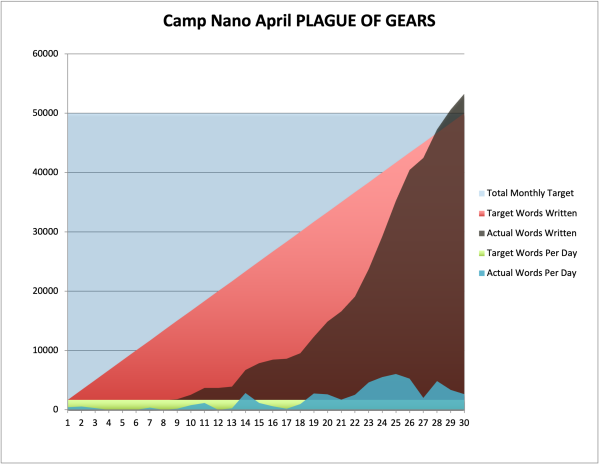
Woohoo! After being just about as behind on a Nano challenge as I have ever been and still won, I managed not only to complete 50,000 words in the month of April, but to blow past it to 53,266 words! Hooray!
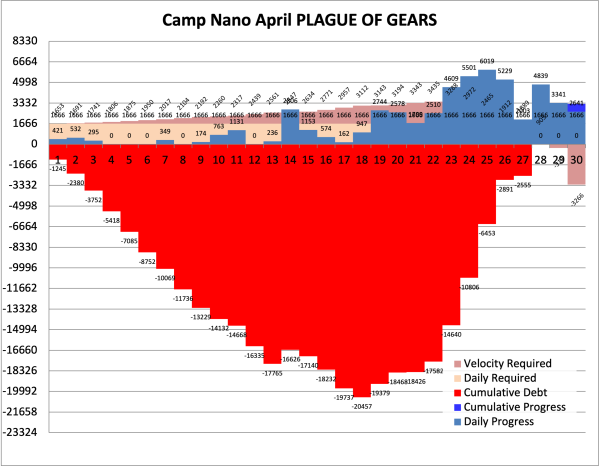
progress chart for PLAGUE OF GEARS this April
To be frank, that steep slope over the top there feels really good, and I'm quite proud of the effort that I put in to make sure I made it this Nano. But, to be equally frank, the steep slope there PRIOR to going over the top really su-u-u-cked, and I pulled two almost-all-nighters (and one actual all-nighter) to finish.
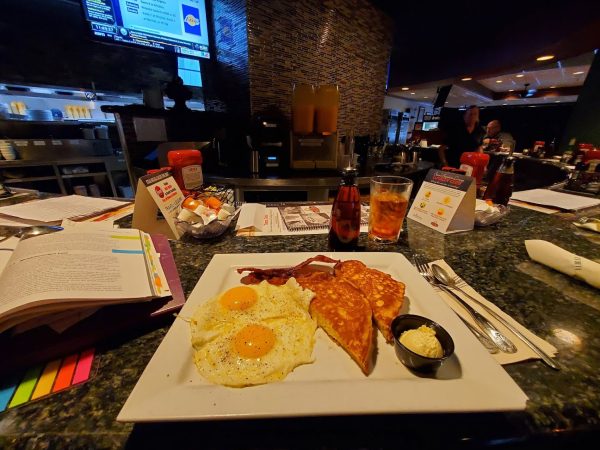
what, me eating breakfast before noon? it's less likely than you think, though I do like it
Early in the month, I prioritized Clockwork Alchemy, and the Social Navigation paper, and getting work done in our old house in California that we're trying to renovate. But once I was back in the East Coast, I really had to knuckle down, writing up to 6,000 words a day near the end.
deficits and progress on April's nano
But, by the end, I was so far ahead that the "velocity required" to stay on track actually went negative (as you can see at the very end of the graph). I broke 50,000 words yesterday, but I still had a scene in mind involving the Big Bad of the Jeremiah Willstone stories, the dreaded Black Queen, Victoria. I didn't want to lose that inspiration, so I wrote it today, and the next scene, which is starting to roll back together with other parts I've written already. So now will be a good time to take a break and take stock of my life, to resume editing Dakota Frost #4 SPECTRAL IRON, and to get my new consulting business, Logical Robotics, rolling.
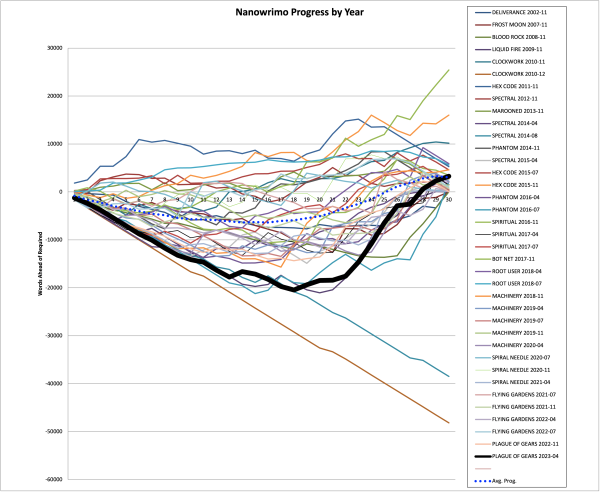
twenty-one years of nano challenges
According to my records, I've attempted Nanowrimo challenges (Nanowrimo, Camp Nano, and Script Frenzy) 37 times, with 35 successes, producing over 1.85 million words in successful months. If I'm lucky, and I can keep up the pace, I may crack two million words next year - wish me luck. But I think it's more pressing to get the editing of the existing books done - so wish me even more luck with that.
Oh, one more thing, the excerpt:
“Alive, but deposed,” Jeremiah said, as the proboscis of the thing behind her touched the back of her head—then bit in with a sickening CRACK. “Aaah! Deposed in 1865—or enslaved by the Plague today,” she moaned, as it dug in. “It’s y-your … choice … your … Majesty—”
The Queen raised the pistol. “I am no-one’s slave,” she said, and pulled the—
Falconer Cadet Specialist Jeremiah Willstone awoke with a start. Staring at the ceiling, she tried to hold on to the dream … no. She knew better than that. It felt like a fading dream … but they were echoes of memories, the last remnants of some disruption in time.
The jumbled recollections were slipping away, the tangled thoughts dissipating: canaries and scarabs and plagues and queens. But she remembered at least three key things: there was a war on, in time; her memories would be out of date; and she had to rise to the occasion.
Jeremiah glanced at the clock: 4:45AM on a radium dial that did not look familiar—no, did not look like her style at all, a frilly elegant thing more French than Austrian. She looked over, found what she expected from seeing the clock, and considered. It was late enough.
“Oi, roommate,” Jeremiah sat up, feet off her cot. “Name, rank, year. No joke.”
The human computer on the cot opposite her groaned. “Wha—” the woman muttered, a dark-skinned woman with impressive curls and chest, who managed to make waking up seem elegant. Then one of the vacuum tubes in her head sparked, and she sat bolt upright, blinking.
“The Lady Westenhoq,” the woman whispered icily, then swiveled to look at Jeremiah. “Liberation Academy Cadet. And, like you, Cadet Willstone, I’m a first year.”
“Thank you, Lady Westenhoq,” Jeremiah said quietly, “but I meant the date.”
Westenhoq looked at her, then swiveled her own feet of the cot to face her.
“No, and I … think I’m going to start going by Jeremiah.” She rubbed her face. “Sounds more professional, and pet names remind me of my uncle anyway. But, since you knew my nickname and used it freely, I … take it we’ve worked together before.”
Oh, have they. Prevail, Victoriana!
-the Centaur
Pictured: Breakfast at Stax Omega, lots of graphs, and the Camp Nano winner's badge.
No, I'm not giving up on blogging at a rate of once per day this year, even if I am already roughly forty percent behind. But my top focus now that I'm outside the Google firewall is to get back to work: after two and a half months of uncertainty following my layoff from Google, the paperwork is now done: the End Date has passed, the Severance is signed, the laptops have been shipped back to the office, and, excepting a bit of COBRA / IRA business, I be done with all that.
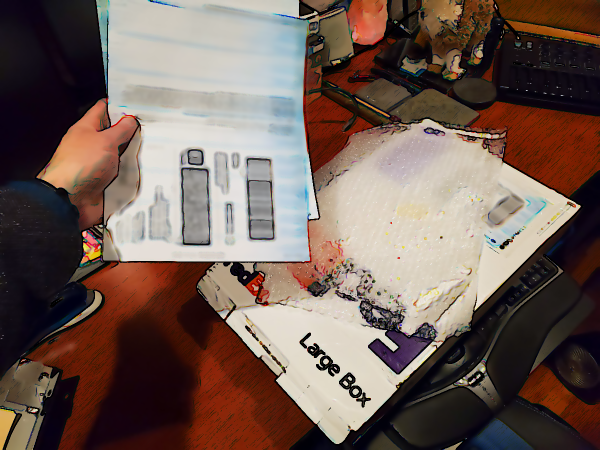
sending back the laptops in their special return box
But my research isn't done. Coincidentally, I had a few scientific papers-in-flight going when the layoffs happened; not coincidentally, I dove in to making sure those went out. One is under review, with a possibility that we may need to open-source the code, but another has already been published, at the Workshop on Human-Robot Interaction in Academia and Industry. This is a "splinter paper," a small topical paper we forked out of a larger journal article in preparation, and that journal paper needs to go out.
Nor is my work done. Today is Camp Nano, the start of yet another 50,000 word challenge, and I hope to finish the novel-in-progress, JEREMIAH WILLSTONE AND THE PLAGUE OF GEARS, which my friend Tony Sarrecchia is helping me adapt into a series of audio dramas. And I need to finish editing Dakota Frost #4, SPECTRAL IRON, at which I recently made a lot of progress solving plot problems - and for which I recently conducted a research trip to Jack Kerouac Avenue to scope out the site of a battle.
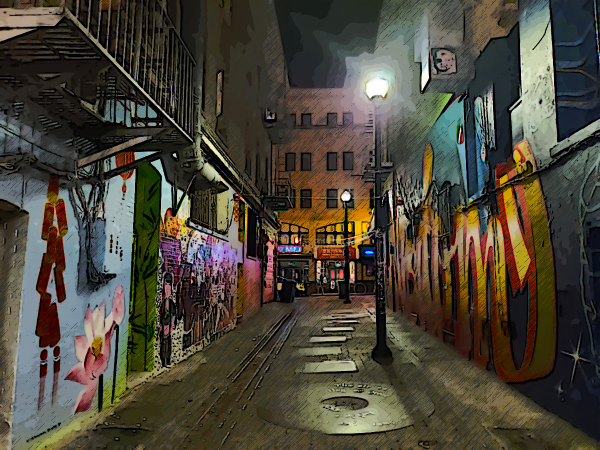
jack kerouac attack
That doesn't even count the game artificial intelligence work I want to do, or the games I want to write, or the drawing I want to do, or my new interest in music, or the regular robotics research I want to get started under the Logical Robotics banner.
My point is, "work" for "the man" should not define you. At least, it doesn't define me: it inspired me, definitely, in many ways, but as for now ... I'm tanked up with my own projects, thanks.
Back to work.
-the Centaur
Pictured: Breakfast of the First Day of the New Era, sending back the laptops, Jack Kerouac Alley.
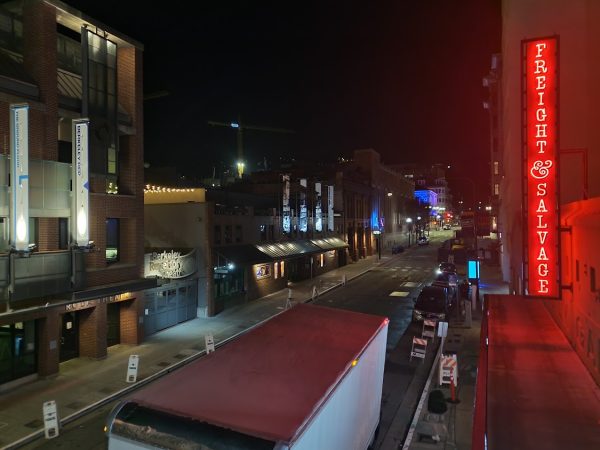
Restarting the numbering a little bit so we're capturing 'blog per day' (day of year: 44 - blog series: 23 = 21 behind). Up late doing various stuff, so here's a neat shot from a parking garage in downtown Berkeley, after I did my traditional artist date "visit a couple of cool bookstores, get some nice food, find a coffeehouse to work on my book." The road in question is just chock full of theaters and other artistic venues, so there's often quite the interesting crowd milling about when I'm heading from the garage to grab some food.
Image apropos of nothing. Nevertheless, avoidance behavior has gone on long enough ... soon it comes ...
-the Centaur
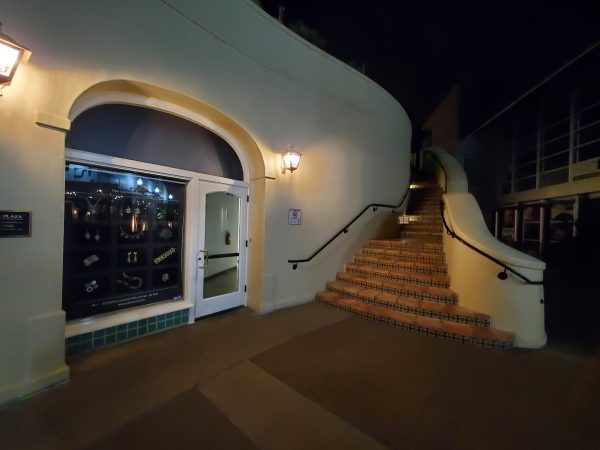
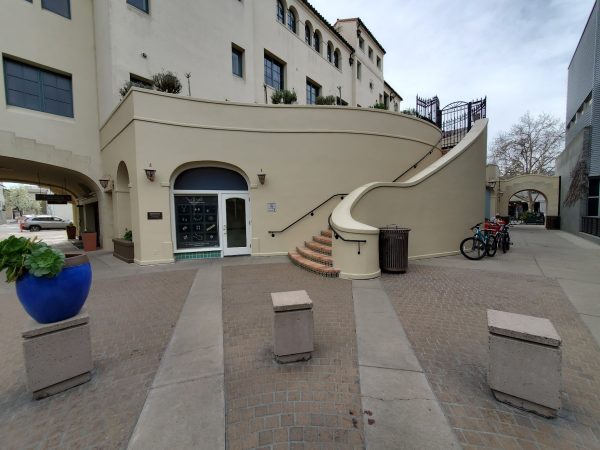
Pictured: Another shot of the real place in Palo Alto which must have subconsciously inspired the Librarian's Favorite Ramen noodle shop, from an unpublished story.
This is a place, a very real place in Palo Alto, but in an even more important sense, this is an unreal place, the location of a very special ramen noodle shop that exists only in my mind. The strange thing about this real place is that I don't think the fictional place (from an as-yet unpublished story) is consciously derived from it; yet the ramen shop (fictionally located in the dark glass arch) fits so precisely between the stairs upwards on the right (fictionally, to the upper terrace, only opened for special parties) and the tunnel to the left (fictionally, leading off to the chef's domicile) that I can only imagine this real place, which I have walked past so many times, must have burrowed its way into my subconscious and provided me with the layout I needed for the ramen shop when I needed it.
I've seen this before in stories where an image I encountered years earlier subconsciously wormed its way into a story - most notably, when names and resonances of Wargames and The Bionic Woman wormed their way into my first published story, "Sibling Rivalry", without me realizing it until much later.
Yeah. The microblogging will continue until the posting rate reaches 1/day.
I feel that one problem I have with "daily blogging" is that quick posts are no problem. But if I have a longer idea - but can't finish it in time - I then forget to do a shorter post to make up for it.
And missing a post itself is a problem. What I find when trying to build a regular practice (daily blogging, taking karate twice a week, whatever) is that if you skip one time, even for a "really good reason", then mysteriously the next two or three times you'll HAVE to skip for "unavoidable" reasons.
In this, case in point, I started writing a longer article on debugging software. There was more to it than I expected - I had wanted to make an off-the-cuff comment, and found my thoughts rapidly expanding - and then the next day I was flying, and the next day catching up on work, and the next day owed my part of the annual report to the church board, and so on. And then its DAYS later and boom no posts. I think at this point I am 8 behind in numbered posts, though there were a few un-numbered ones which I would count, except, if I don't, it makes the problem harder, which helps build the discipline I'm trying to build.
SO! Let's get back on that horse then. Update metadata, hit publish.
-the Centaur
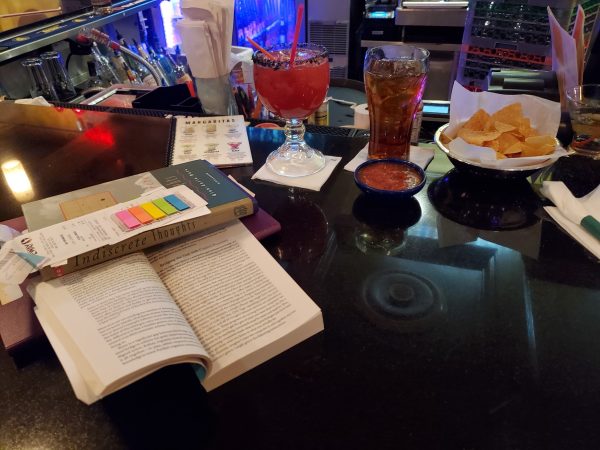
Pictured: my evening work ritual, 2-3 times a week when I'm not having dinner with my wife, is to go to some place to eat (preferably one with a bar or high top tables, so I can stretch out my bum knee), crack open a book, and read a chunk of a chapter while having a nice meal. Most of my books get read this way.
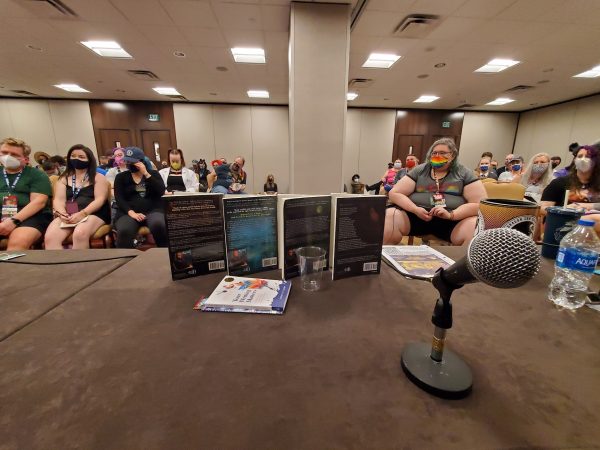
Well, it's that time of year again ... 65,000 of my closest friends have gotten together in five hotels and two convention halls in Atlanta to celebrate all things science fiction!
My schedule is below. I worked right up to the start of the con, so am just now posting this two days later, but for the benefit of the time travelers in my audience, I'll include the first two panels:
Thursday
8:30pm - Start Now, Research! - Hyatt Embassy EF How much research is enough? How much is too much? When do you stop doing research and start writing?
Friday
7:00pm - The People Who Live in Your Book - Hyatt Embassy EF Characters rise off the page and become people--if they're well-crafted. Discover ways to make this happen in your fiction.
Saturday
10:00pm - Stories Needed: Get Yourself Invited into an Anthology - Hyatt Embassy EF There's an anthology being published that might just work for a story you have in mind. Or, when you hear about an anthology and KNOW you have a story for it, what do you do? Get some professional help from our pros.
Monday
10:00am - Writing About Star Trek - Hilton Galleria 2-3 There are thousands of worlds within Star Trek, and thousands of topics to talk about. Where do we start? Join a panel of published writers to discuss what's worth discussing in Trek books, articles and more
1:00pm - Where Do You Get Your Ideas? - Hyatt Embassy EF This is a question that every writer gets asked by everyone they know. What is the answer to that question?
2:30pm - Predicting the Future - Hyatt Embassy EF Where in the world is fiction headed? Do the old tropes still work? What's fresh and new for the future?
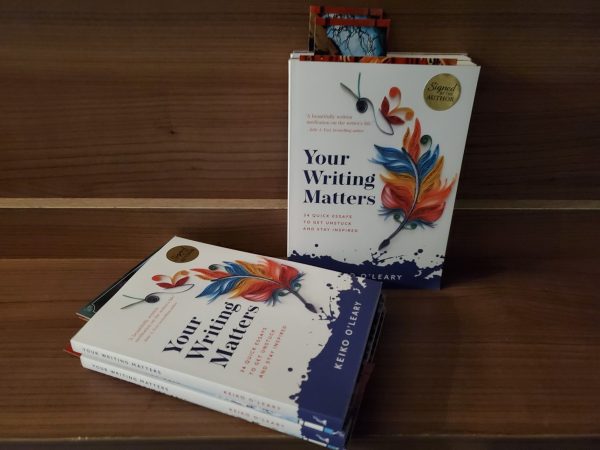
At each panel, I'll be giving away signed copies of the writing inspiration book Your Writing Matters by my friend Keiko O'Leary. This is the latest release from Thinking Ink Press, and we're very proud of it! No matter where you are on your writing journey, I think this book can probably help you, so come on by!
Well, after a long hard month and many ups and downs, I have successfully completed Camp Nanowrimo, one of the three yearly National Novel Writing Month challenges to write 50,000 words of a novel in a month - and this is my 32nd time claiming viiictory!
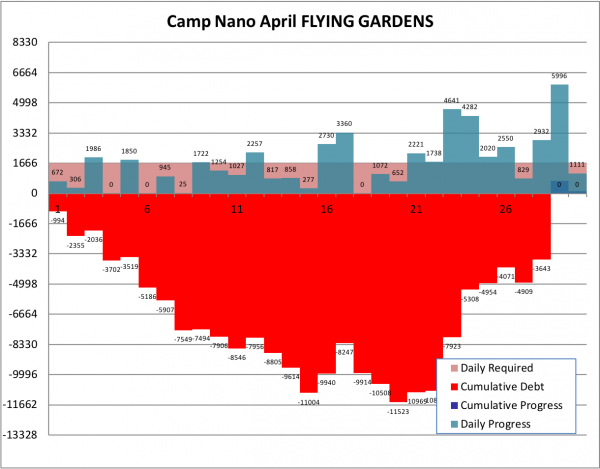
This was one of the more challenging Nanos for me, as April is our quarterly planning month, and on top of that we decided to switch managers within our team and to switch to semester planning in our org. So that led to a dip in the beginning, where it was hard for me to get my groove.
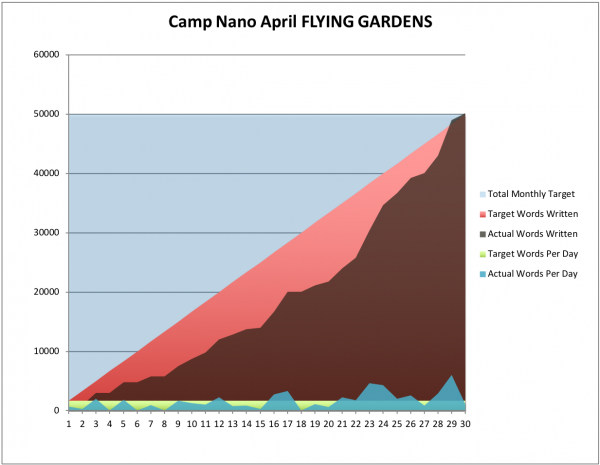
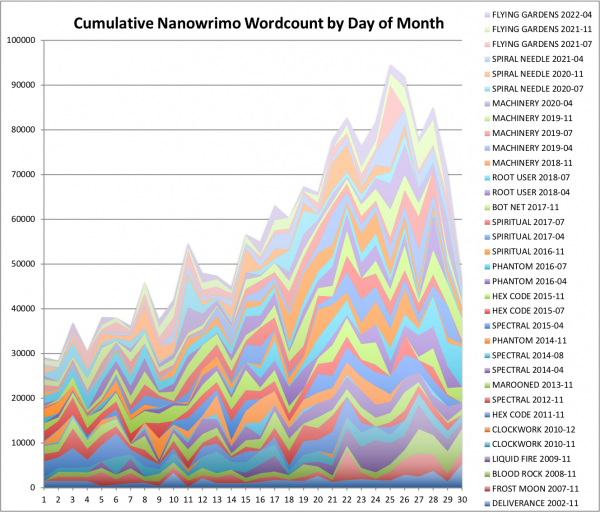
The blood on the deck continued almost to the end of Camp Nano. This month's project was my third go at JEREMIAH WILLSTONE AND THE FLYING GARDENS OF VENUS, and I found it particularly difficult to get momentum as the story is more complicated than normal, with a new protagonist Puck taking center stage in addition to Jeremiah. You can see the dip compared to past Nanos:
I felt like I was struggling and stumbling with the story, writing and rewriting scenes, trying out different alternates (I count these as words written; editing can come later). However, as I rolled into the end of the month, these struggles started to pay off, as I understood better what was up with Puck, why so many weird things happened around her, and what role they played in the story.
Over the years of doing Nano, I've reached this particular point of the enterprise many times - a point which I sometimes call "going off the rails". This is the point where the story seems to gel, and I think it happens when I go from exploring the logical consequences of a set of characters in a situation - which is where I start almost all of my writing - to creatively injecting things into the story that could not be predicted from its beginnings. These still need to be grounded in the plot and consistent with the characters, but there's a difference between the things you typically expect to happen in a scenario and truly creative innovations which cannot be predicted from the setting alone - what the Mythcreants writing team calls Novelty in their ANTS framework (Attachment, Novelty, Tension and Satisfaction).
Over almost 20 years, I've had this creative spark, this "going off the rails" many, many times, and stories always seem better for it. I have tackled 16 Nanowrimos so far out of 34 monthly challenges (also counting Camp Nano and Script Frenzy) and have successfully completed it 32 times.
Each time for me, it's facing those middling slumps, facing the places where I've fallen out of love with my own story, that ultimately kickstart my creativity into high gear and make me fall in love with my work again.
That happened this time, even though I wanted to give up. I know Nano doesn't work for everyone, so your mileage may vary, but for me, as I've often found in other arenas of my life, you sometimes have to work just a little bit harder than you want to to reach an outcome which is far better than you have any right to expect. That was true with Cinnamon, originally a side character in the first Dakota Frost about whom I have now drafted three novels, and it is turning out to be true here with Puck as well, the Girl Who Could Wish, now turning into a truly interesting twist.
Oh, an excerpt. Let me see if I have some rough draftiness lying around here ...
“It’s an ecosystem,” Puck murmured. “There’s a whole ecosystem in the floatbergs—”
One of the jellyfloats wandered under one of the falls, and screamed, terrifyingly human-like, as it steamed and melted—and then Puck realized what the liquid was: sulfuric acid. This was an upper-atmosphere floatberg, its engineered bacteria designed to harvest sulfuric acid from the air—and as the floatberg disintegrated, the collected sulfuric acid which had not been processed was now spilling out in uncontrolled streams, destroying whatever had inhabited this cavern.
“I’m sorry,” Puck said to her little audience. “I … I think it’s too late.”
One of the bigger parakeys, with a crest, hopped up on her knee.
“Is that a vest?” she said, touching a bit of what looked like cloth. “You … you can’t be intelligent creatures, now can you? How could you start a whole civilization up here? Floatbergs only go back a few hundred years, and they don’t last for more than months, maybe weeks—”
The parakey chieftain, if that’s what it was, cheeped at her.
Puck drew a breath.
“I wish this cave could be saved,” she said carefully. The crowd of parakeys cheeped and beeped, and the chieftain pawed at her and cheeped even louder, like a little screech, and she relented. “Alright, a proper, non-conditional wish this time. I wish this cave would be—”
The bottom dropped out from beneath them.
Poor Puck! She can't seem to cut a break. But at least I know who and what she is now, and how she's related to Jeremiah, and can therefore move forward with this story with confidence.
That last I blame for my lack of posting (and drawing - sheesh, I am ~80+ drawings behind) but, ultimately, that was the most important thing that I and my wife needed to be working on for quite a while. Now, she's got a functioning art studio again, and my library is ... getting there.
But, now it's time to get back to it. I'll be doing Nanowrimo again - JEREMIAH WILLSTONE AND THE FLYING GARDENS OF VENUS, something-like-book 2.75 on my original outline. Since Nano has been so great to me, I'm sponsoring it this year, which in turn, means you can find FROST MOON there!
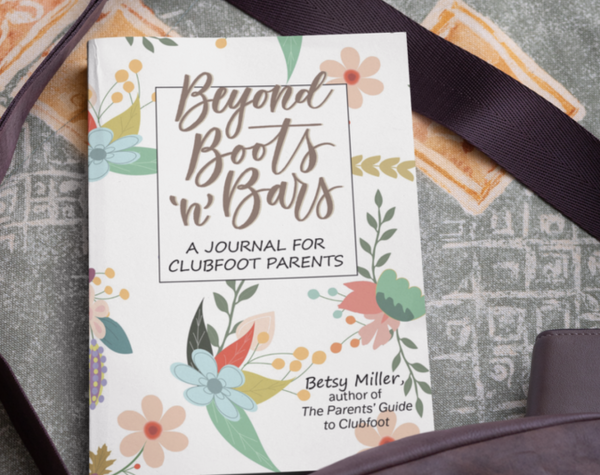
Hail, fellow adventurers! Our small press, Thinking Ink, is running a Kickstarter to launch a journal for parents of children with clubfoot. Written by Betsy Miller, one of Thinking Ink Press's founders and an active contributor to the clubfoot community, this journal will enable parents to track the progress of their children's treatment, as well as providing exercises and notes to help them process their experiences.
The Kickstarter is live now! Please spread the word, as we love getting specialty books like this into the hands of people who truly need them!
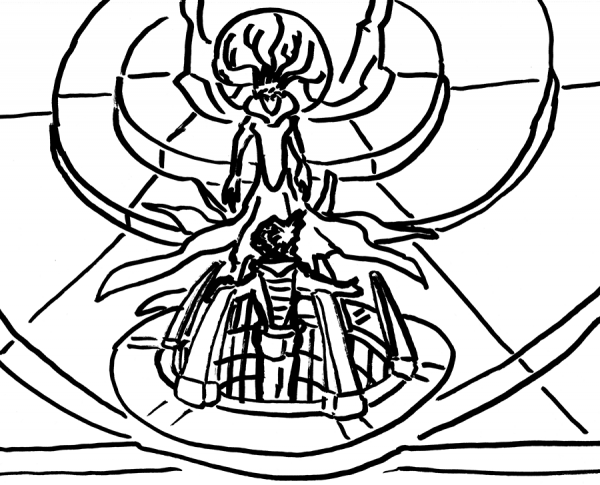
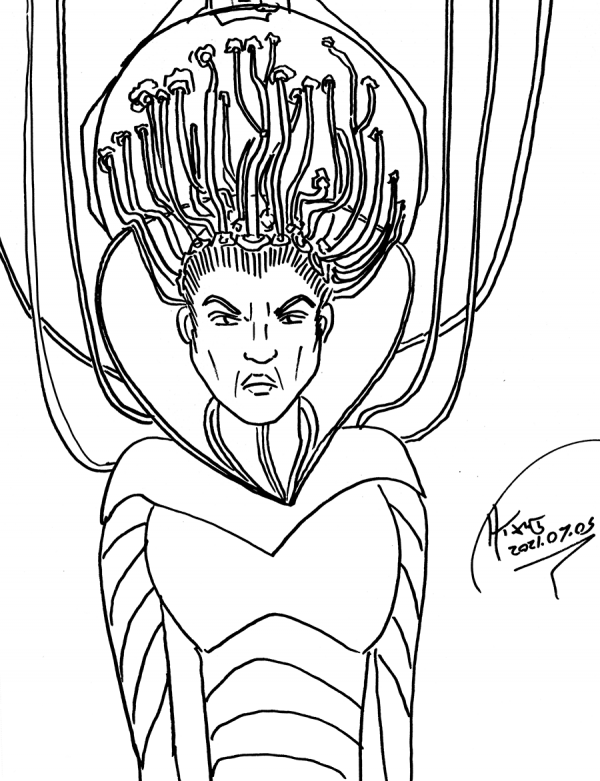
Well, something weird happened with my blog which interfered with updates, so, boo, but nevertheless, it cleared up on its own despite my best debugging efforts, so ... yay? #nervous_laughter And updates. First, here's a quick concept sketch from JEREMIAH WILLSTONE AND THE FLYING GARDENS OF VENUS of the antagonist character "the Parasolite" ... or, more properly, one of her bodies:
The Parasolite prime interrogating Puck in her throne room. Looking at both of these, I'm not getting the length of the human leg correct; I need to work on body proportions as much as faces.
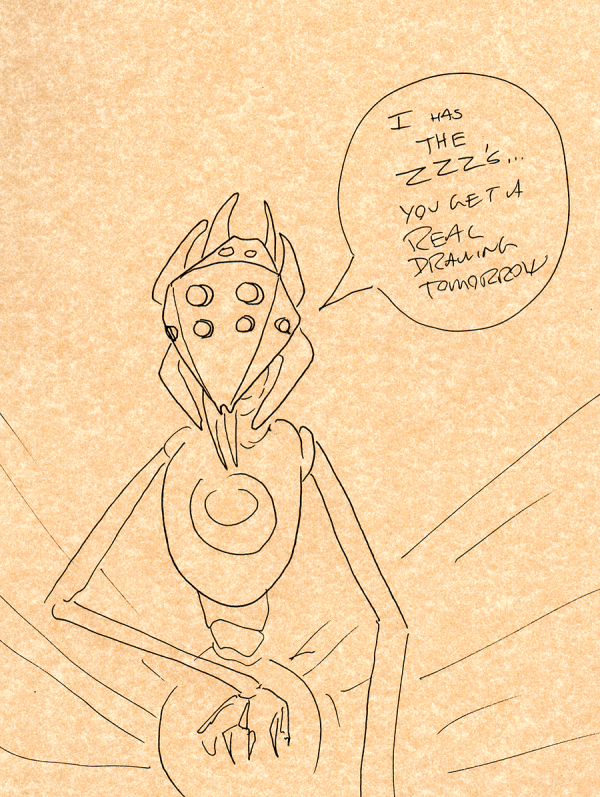
After a long day of writing Camp Nano (oh, I'm doing FLYING GARDENS OF VENUS for Camp Nano) I gave up and did this quick sketch of Brainyon, the brain-jar spider-boy shown earlier, drafted as a mercenary by our "Robert De Niro in Casino"-styled protagonist / antagonist:
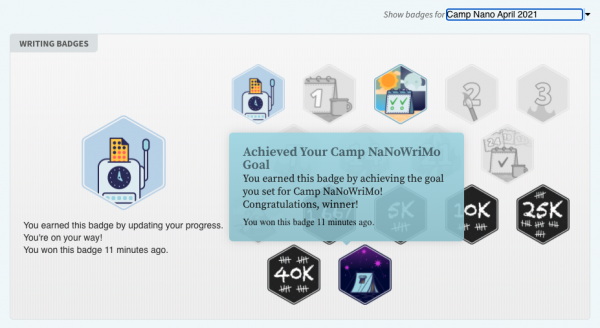
SO! Once again, I have written more than 50,000 words in a month - this time, on Dakota Frost #7, SPIRAL NEEDLE, which is close to being finished. (Yes, yes, YES, I know, Dakota Frost #4-#6 and Cinnamon Frost #1-#3 are not edited yet, editing is harder than writing, and pays less than teaching robots to learn. I'll get to them, I'll get to them, I promise). I can't figure out the new Camp Nano interface to make it cough up the usual winner banner, so you'll just get that screenshot instead.
This is my twenty-ninth victorious Nano challenge and thirty-first attempt overall. That's great stick-to-it-ness, but I was behind for much of the month, not getting my feet under me until the 10th, but I managed a big pushes two weekends a go and a huge push last weekend, leading to me briefly getting ahead of the game right around the 28th, making today an easy coast (1500 words finished me off, though I wrote through to a notch over 1,667 words just for completeness). According to my records, that 8,154 word push on the 25th was the second most I've ever written in a day, topped only by my 9,074 word mad push to finish PHANTOM SILVER, Dakota Frost #5, on July 30th, 2016.
Overall, a bit behind this month, which was pretty rough OKR (Objective / Key Result) planning at work. I love the IDEA of OKRs - say what you want to do (Objective, for example, write roughly 1/3 of a novel) and how to measure it (Key Result, for example, 50,000 words in the month of April), but this time it took us until almost the 20th. 3 weeks is way too long to spend on planning for a quarter's worth of effort.
OH, almost forgot, an excerpt:
The questing metal fingers of the Plague Witch's "broom" branched and lunged at me. The Salzkammergutschwert’s black blade swept through the metal spikes, as cleanly as a Larry Niven variable sword through tissue paper. The Plague Witch recoiled, whirling the broom-thing, striking its black kettle end on my overextended sword hand. The Salt Chamber Sword sang out across the street, slamming into a fire hydrant in a hiss of water.
But that movement naturally carried me forward, as I thought it would, and the moment the Plague Witch raised her head, I shoved my free hand at her, jamming onto her pointed beak a magical silencing wreath made of glowing vines and Technicolor feathers.
“Oh, shaddap,” I said, drawing the wreath tight just as she tried to scream. The Plague Witch squeaked—she had a mask, not a beak, so the wreath couldn’t actually shut her mouth, but it could effectively gag her, and as she flailed her head, I kicked her. “And siddown!”
And as she stumbled back, for a moment, I thought it was going to work.
The Plague Witch writhed. I seized the Waystaff. Nyissa seized my arm.
“I suggest retreat!” she cried.
“No argument!” I yelled back—but retreat was not so easy. The silencing wreath wasn’t a free design, like my bluebirds or butterflies, but was an ad-hoc construct made from—and attached to—my vine and peacock tattoos, which tugged at me. “Some difficulty!”
“Dakota!” Nyissa cried, pulling me away. “Let go!”
“She’s got me,” I said, my feet slipping on the street. Oh, this had been a bad idea: as the Plague Witch struggled, the wreath self-replicated, drawing more and more silencing power from her own strength—but the design was imperfect, and was reeling me in towards her. “Nyissa!”
Then things happened very, very quickly.
Nyissa—my bodyguard, my bride-to-be, my love—darted forward, seized the Salt Chamber Sword in a burst of spray, and swung wildly at the tattoo vine connecting us. But the Plague Witch, flailing, swung her damaged broom at Nyissa—impacting her stomach.
Nyissa didn’t even scream: she just doubled over in a splash of blood. The broom swept through her as the Plague Witch stumbled away, her body taken through a forward tumble, the lethally sharp sword falling from her hand—and severing the magic-tight tattoo connection.
My vine snapped back to me, hurling me to the pavement. My wind went out.
The Plague Witch tore off her disintegrating crown of vines, and screamed—
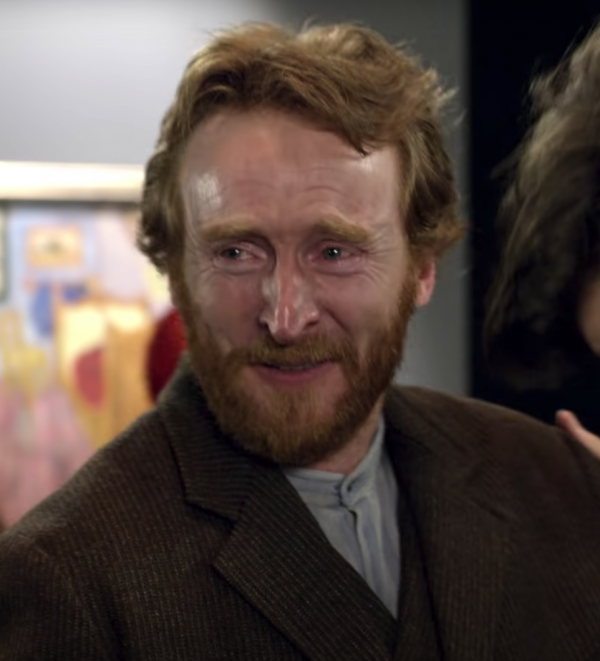
Vincent van Gogh from "Vincent and the Doctor". Roughed in non-repro blue on Strathmore 9x12, outlined in Sakura Pigma Graphic 1 and rendered in that and Sakura Micron 08, 03, and 005, plus Sakura Pigma Brush. I erased part of the non-repro blue to try to clean it up, which ended up being a mistake as it destroyed some lines, leaving white marks through the drawing; however, using Photoshop's Black and White feature with cyans almost taken to black and blue taken to white, it dropped out the blue while adding a nice warm shading to it.
Overall, not bad, though I am still squashing heads even when I am explicitly trying not to squash heads, and ending up with slight asymmetries, particularly in the left side of the beard, when I am explicitly trying to avoid that. But at least the eyes are not totally oversized this time.
Drawing every day.
-the Centaur
And just ~600 words too, though much of today was cats, taxes and work. Taxes are submitted to the accountant, the cat is home from the vet after a nasty gastrointestinal scare, work is progressing (RL is hard!), and Dakota Frost is having a great time doing SPOILERS with SPOILER, so, no excerpt for you.
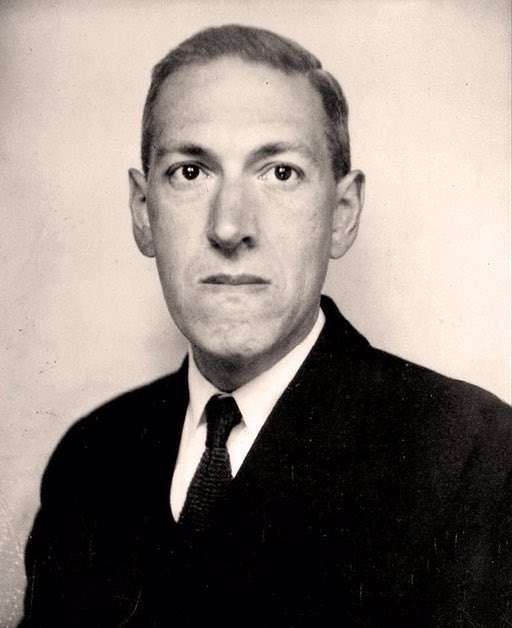
Quick sketch of H.P. Lovecraft. Not ... terrible ... per se, but I squashed his head, and there's something about the face that's wrong that also bothers me about the faces drawn by Steve Dillon in Preacher. Don't get me wrong - I love Preacher and Steve Dillon's art, but something has always struck me as slightly off about the faces in Preacher, and the same thing is going on here. If I knew what it was, I could probably fix it. But I don't, so I guess I just have to keep practicing.
Drawing every day.
-the Centaur
P.S. 1800 words. Getting back on track on Nano.










 SO! Once again, I have written more than 50,000 words in a month - this time, on Dakota Frost #7, SPIRAL NEEDLE, which is close to being finished. (Yes, yes, YES, I know, Dakota Frost #4-#6 and Cinnamon Frost #1-#3 are not edited yet, editing is harder than writing, and pays less than teaching robots to learn. I'll get to them, I'll get to them, I promise). I can't figure out the new Camp Nano interface to make it cough up the usual winner banner, so you'll just get that screenshot instead.
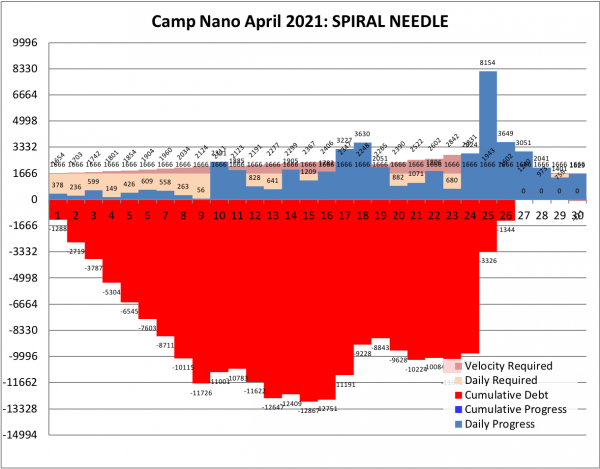 This is my twenty-ninth victorious Nano challenge and thirty-first attempt overall. That's great stick-to-it-ness, but I was behind for much of the month, not getting my feet under me until the 10th, but I managed a big pushes two weekends a go and a huge push last weekend, leading to me briefly getting ahead of the game right around the 28th, making today an easy coast (1500 words finished me off, though I wrote through to a notch over 1,667 words just for completeness). According to my records, that 8,154 word push on the 25th was the second most I've ever written in a day, topped only by my 9,074 word mad push to finish PHANTOM SILVER, Dakota Frost #5, on July 30th, 2016.
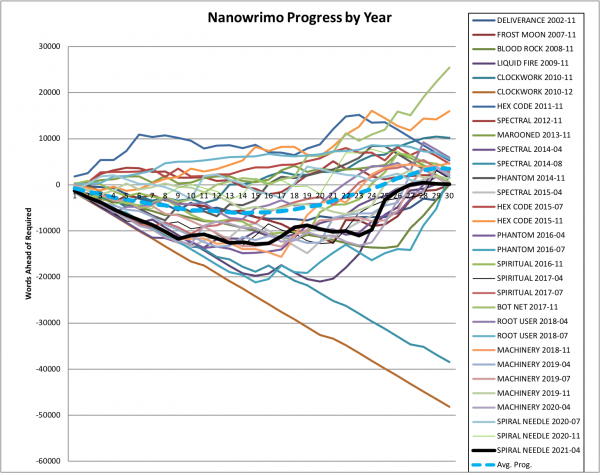 Overall, a bit behind this month, which was pretty rough OKR (Objective / Key Result) planning at work. I love the IDEA of OKRs - say what you want to do (Objective, for example, write roughly 1/3 of a novel) and how to measure it (Key Result, for example, 50,000 words in the month of April), but this time it took us until almost the 20th. 3 weeks is way too long to spend on planning for a quarter's worth of effort.
OH, almost forgot, an excerpt:
Overall, a bit behind this month, which was pretty rough OKR (Objective / Key Result) planning at work. I love the IDEA of OKRs - say what you want to do (Objective, for example, write roughly 1/3 of a novel) and how to measure it (Key Result, for example, 50,000 words in the month of April), but this time it took us until almost the 20th. 3 weeks is way too long to spend on planning for a quarter's worth of effort.
OH, almost forgot, an excerpt:
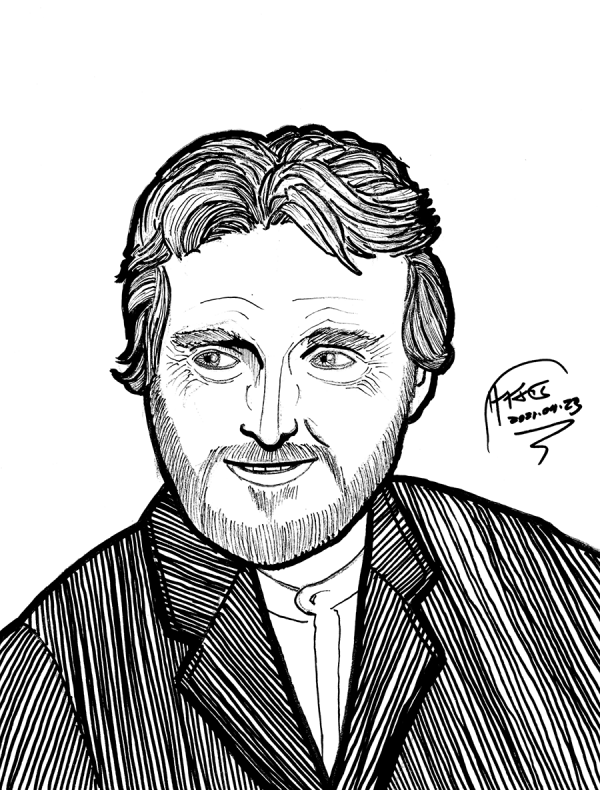 Vincent van Gogh from "Vincent and the Doctor". Roughed in non-repro blue on Strathmore 9x12, outlined in Sakura Pigma Graphic 1 and rendered in that and Sakura Micron 08, 03, and 005, plus Sakura Pigma Brush. I erased part of the non-repro blue to try to clean it up, which ended up being a mistake as it destroyed some lines, leaving white marks through the drawing; however, using Photoshop's Black and White feature with cyans almost taken to black and blue taken to white, it dropped out the blue while adding a nice warm shading to it.
Overall, not bad, though I am still squashing heads even when I am explicitly trying not to squash heads, and ending up with slight asymmetries, particularly in the left side of the beard, when I am explicitly trying to avoid that. But at least the eyes are not totally oversized this time.
Vincent van Gogh from "Vincent and the Doctor". Roughed in non-repro blue on Strathmore 9x12, outlined in Sakura Pigma Graphic 1 and rendered in that and Sakura Micron 08, 03, and 005, plus Sakura Pigma Brush. I erased part of the non-repro blue to try to clean it up, which ended up being a mistake as it destroyed some lines, leaving white marks through the drawing; however, using Photoshop's Black and White feature with cyans almost taken to black and blue taken to white, it dropped out the blue while adding a nice warm shading to it.
Overall, not bad, though I am still squashing heads even when I am explicitly trying not to squash heads, and ending up with slight asymmetries, particularly in the left side of the beard, when I am explicitly trying to avoid that. But at least the eyes are not totally oversized this time.
 Drawing every day.
-the Centaur
And just ~600 words too, though much of today was cats, taxes and work. Taxes are submitted to the accountant, the cat is home from the vet after a nasty gastrointestinal scare, work is progressing (RL is hard!), and Dakota Frost is having a great time doing SPOILERS with SPOILER, so, no excerpt for you.
Drawing every day.
-the Centaur
And just ~600 words too, though much of today was cats, taxes and work. Taxes are submitted to the accountant, the cat is home from the vet after a nasty gastrointestinal scare, work is progressing (RL is hard!), and Dakota Frost is having a great time doing SPOILERS with SPOILER, so, no excerpt for you. 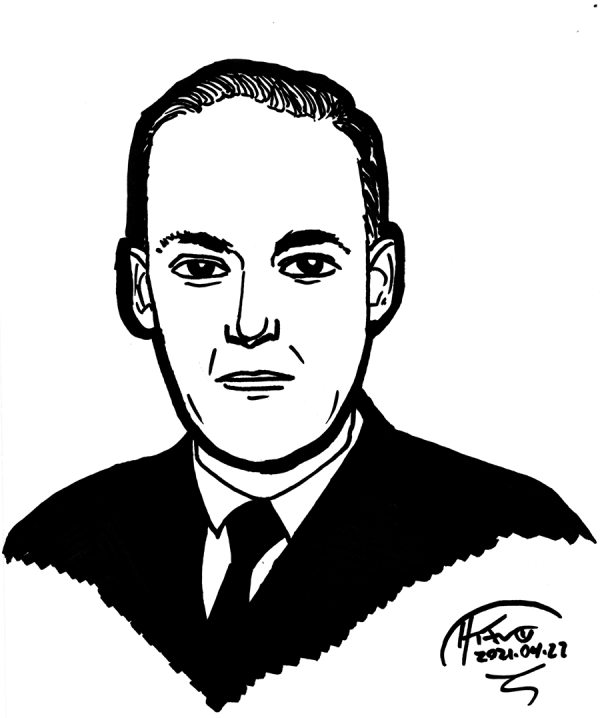 Quick sketch of H.P. Lovecraft. Not ... terrible ... per se, but I squashed his head, and there's something about the face that's wrong that also bothers me about the faces drawn by Steve Dillon in Preacher. Don't get me wrong - I love Preacher and Steve Dillon's art, but something has always struck me as slightly off about the faces in Preacher, and the same thing is going on here. If I knew what it was, I could probably fix it. But I don't, so I guess I just have to keep practicing.
 Drawing every day.
-the Centaur
P.S. 1800 words. Getting back on track on Nano.
Drawing every day.
-the Centaur
P.S. 1800 words. Getting back on track on Nano.