
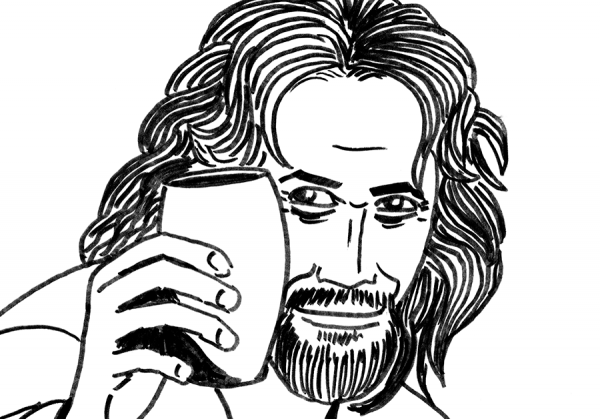
Something I neither hide nor advertise is being part of the BDSM / fetish / leather community. Perhaps that's obvious to anyone who's read my novels, but I still miss Atlanta's great fetish club, the Chamber, where goth-industrial music used to play until 4 in the morning - and where I met my future wife.
That scene wasn't for everyone. Costumes sparkled, music pounded, lights flashed, dancers crowded, and onstage were spectacular shows, like a workman "cutting" a dancer out of a chastity belt in a shower of sparks. (Not really - the sparks were made with a grinder against an added block of metal).
This was a great place to go and unwind after a long week at graduate school, for even at 1AM I could head down to the Chamber, watch the dance floor until until my nerves started to unwind (I rarely drink, so this took at least half an hour) and then join in for a couple hours of dancing before close.
The Chamber was a place I could, briefly, forget all the worries of my graduate studies and have fun in a very mildly transgressive way. But to me, the only norms worth transgressing are purely social ones, not moral laws, so I never let down my boundaries. And, thankfully enough, I always had a guide.
One of the great things about the BDSM community is its focus on respect and safety. Many of the things that people enjoy doing are dangerous, and so the community is built on the principles of "safe, sane, consensual" - don't do dangerous things, stay in your right mind, and act with your partner's consent.
Not everyone from outside the community respects these standards, and if you aren't a person who goes out to "normal" bars and dance clubs a lot - why would I have? I rarely drink - the behavior of people from outside the community - the games that they play - can be a little surprising and upsetting.
Once, a few years before I met my wife, I was dancing at the Chamber and a girl started dancing with me. After a few minutes, the girl's apparent boyfriend came up and shoved me. Put mildly, this ain't typical behavior for the Chamber, and it very quickly became clear he was trying to start a fight.
But I'd thrown off his first shove with a sweeping Taido block, and turned away, dancing. I was there to dance, not play childish games, and I'd never been so over a pair of people in such a short time. The guy shoved me again, but I blocked again, continuing to dance. After half a minute, they lost interest, and left.
Now, my martial arts training helped here - while Taido is based on turning defense into offense, three of its broader rules are: "If you think there's going to be trouble, don't be there. If there's trouble, don't be there. And the mind, body, and spirit are one: be dignified by this unity and you need fear no insult."
The point of that last, arcanely worded bit is easy to lose, so let's unpack it a bit: Your mind is a part of your body, and your body is one with your eternal spirit, which cannot be damaged by mere words. So if someone insults you, don't let it get to you; rest in the calm of your spirit instead.
In other words, turn the other cheek.
It's been years since then, but in the moment in which that shove slid off my block and I turned away - and a fight did not immediately follow - that I recall recognizing the wisdom of turning the other cheek. I'd heard about this phenomenon in Taido class a number of times, and now I was seeing it in real life.
While I'm not telling you not to defend yourself, violence begets violence - as the character of Jesus said in the Last Temptation of Christ, "If you don't change the spirit first, change what's inside ... [then even] if you're victorious, you'll still be filled with the poison. You've got to break the chain of evil ... with love."
Even in places that we might not expect to find him, Jesus is there. In a movie based on a book banned by the Roman Catholic Church for sacrilege, in a martial art designed to turn defense into offense, in a mildly-transgressive nightclub, even in the attack of a drunk jerk - Jesus is there, ready to guide us.
At another event, I decided to leave because my new boots were killing me. Grabbing a soda at the bar on my way out, I struck up a conversation with a nice dominatrix, who - and it's really hard to convey how completely platonic this act was - massaged the tip of my boot to make the pain go away.
We talked for half an hour, until a friend dropped by and enthusiastically started telling us about a new development in their relationship which sounded, um, doomed. I and my soda-and-boots buddy listened, increasingly concerned, when finally, the dominatrix diplomatically asked, "Is that really what you want?"
Our friend didn't listen, and ended up having serious problems in their relationship. But what really struck me in these encounters is that all of the traditional social taboos of our culture had fallen away - we were at a fetish club in outlandish costumes - but the teachings of Jesus were still there and as alive as ever.
The costumes were outlandish, but the people in the club were not characters in our internal dramas: they were people, who deserved to be treated like people - and who were trying to live to that standard. Fixing the kink in my boot was not a transaction - it was a Samaritan kindness to a fellow human being.
And the principle that motivated our concern for our friend was seeing that friend not treat their partners with the same respect they'd expect in return - a failure to love your neighbor as yourself. Our society's traditional relationship norms were absent. The principles of Christianity were present and alive.
These events - the not-fight in the bar, the quiet voice of concern for a friend taking a wrong path, the rubbing of a boot, so like the washing of feet - started to convinced me that Jesus was everywhere, even in the places that our traditional society thinks would exclude Him. But Jesus will not be excluded.
The Christian faith is a catholic faith - for everyone. And if the key to following Jesus is not where you are on the path of goodness - for God is infinitely good, and is not impressed with our good works, even if we are - but what direction you're facing, then Jesus is there for you on the path, to point the right way.
Even if the music is loud, and some of the people around you are shouting.
-the Centaur
Pictured: Willem Dafoe, portraying Jesus in The Last Temptation of Christ. And the phrase "neither hide nor advertise" refers to things that I talk freely about if they come up, but which I don't make a special effort to bring up on their own, as opposed to, say, robots. By the way ... robots, robots, robots. Robot.
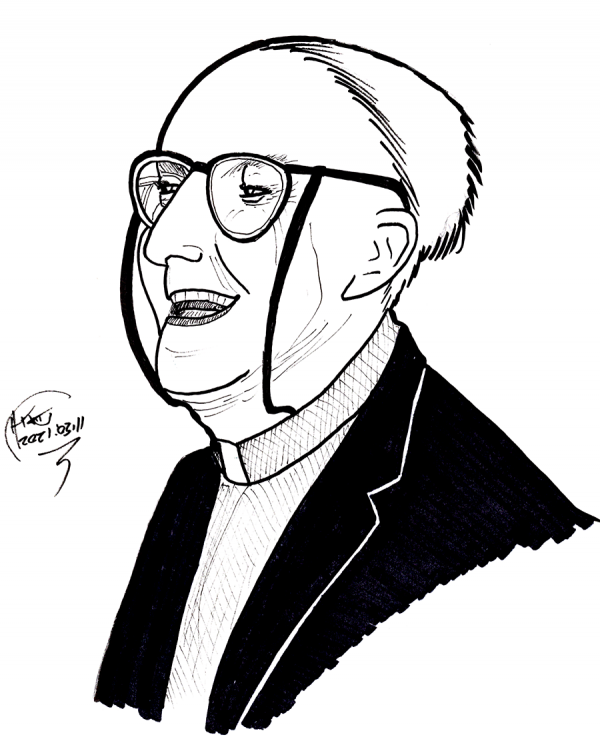 Quick sketch of Reginald Fuller, using pencil roughs (started upside down to get the proportions, then rotated back to normal to fix the details, which was harder than expected; the first upside down one turned out to be more useful for me to see the features and relationships, but I only got it right once I put it right side up). Then a quick render with Sakura Pigma and Micron pens and a Sharpie.
Not ... altogether bad, though it could have used another pass.
Quick sketch of Reginald Fuller, using pencil roughs (started upside down to get the proportions, then rotated back to normal to fix the details, which was harder than expected; the first upside down one turned out to be more useful for me to see the features and relationships, but I only got it right once I put it right side up). Then a quick render with Sakura Pigma and Micron pens and a Sharpie.
Not ... altogether bad, though it could have used another pass.
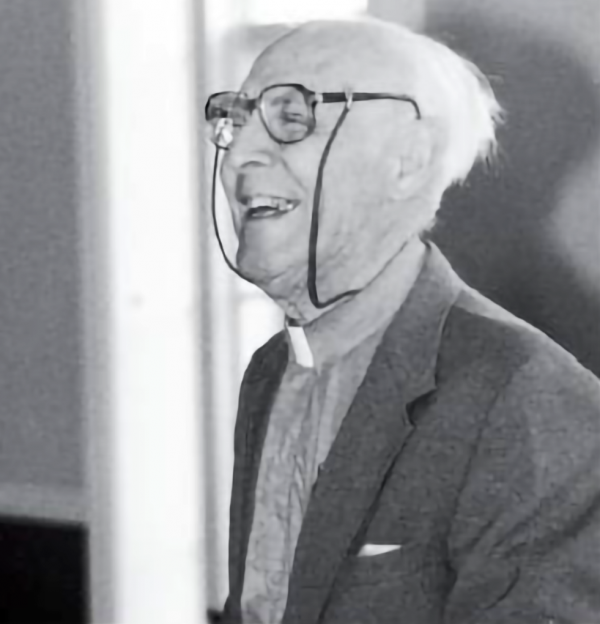 He, also, looks so happy.
Drawing every day.
-the Centaur
He, also, looks so happy.
Drawing every day.
-the Centaur 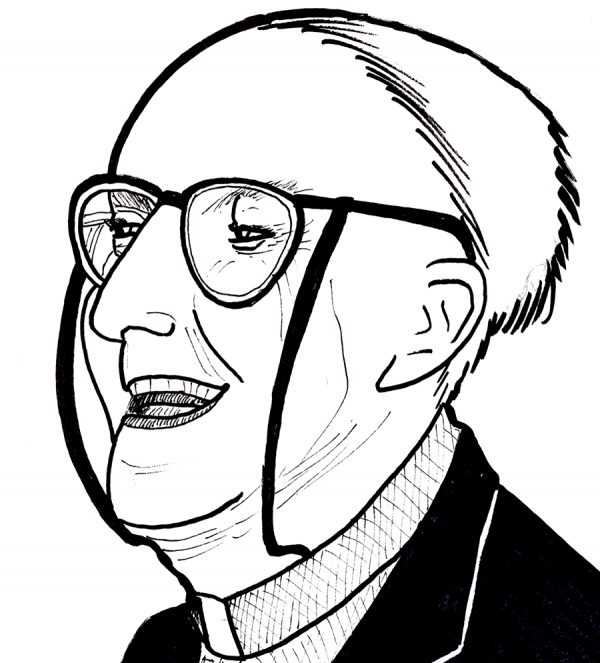
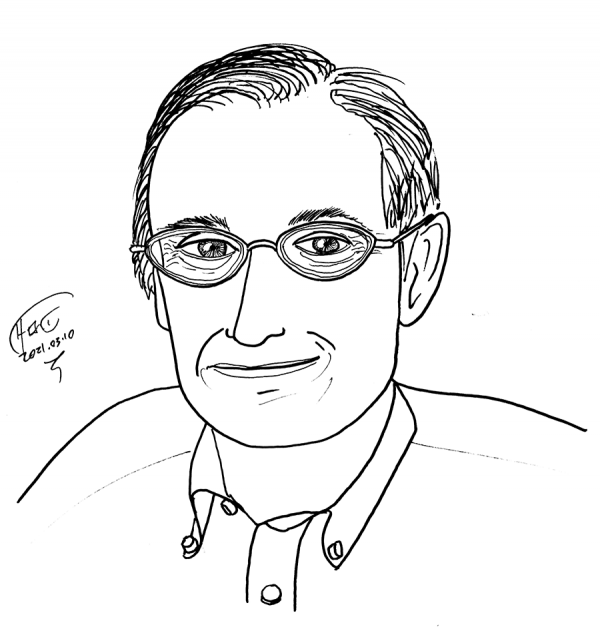 Super quick sketch of Robert Axelrod, done by tracing over my own roughs twice then rendering over that with my standard Sakura Microns. Eyes WAY too big, face too wide, I didn't quite get the head tilt (as usual), and it seems like I cut off part of the top of his head, though I was partially able to fix it.
 Drawing every day.
-the Centaur
Drawing every day.
-the Centaur 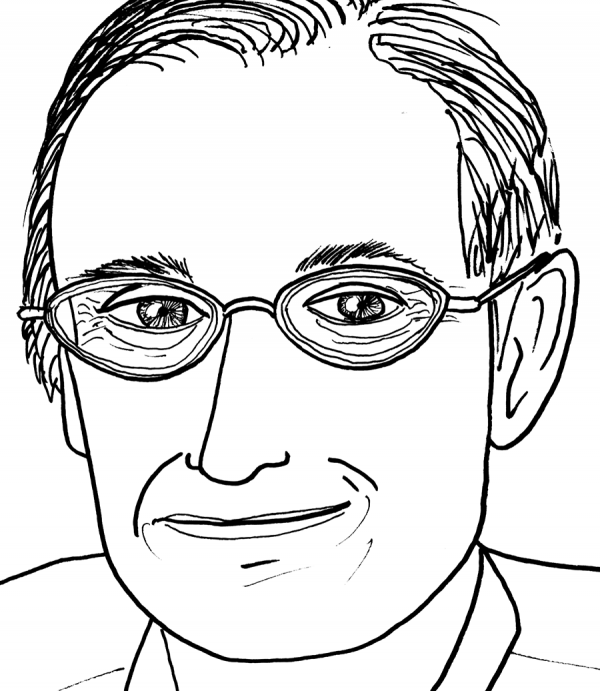
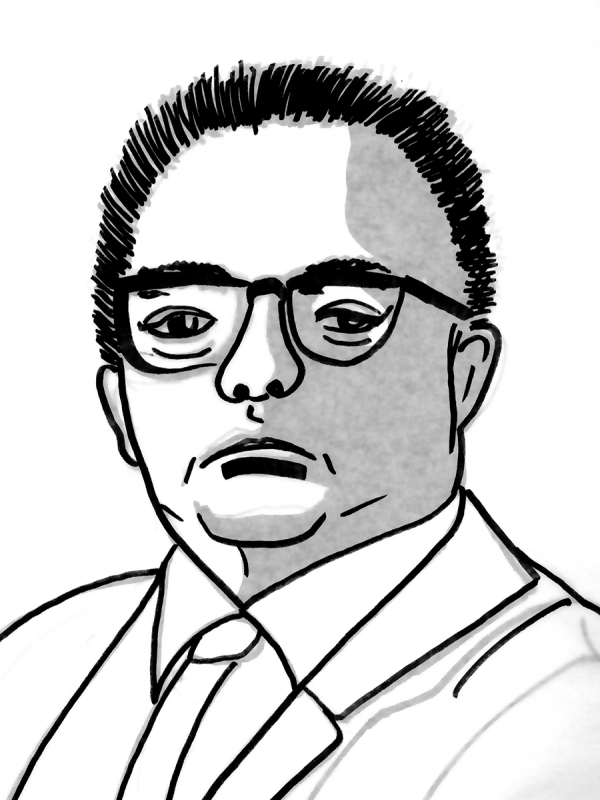 Suuuper quick sketch of E. T. Jaynes with minimal roughs and one big honking Sharpie, rescued from a bad shading attempt by tracing over my own drawing, and them I'm like, hey, I can leave the tracing paper over the original attempt and that gives me my grey layer. Didn't quite get the head tilt:
 Drawing every day.
-the Centaur
Drawing every day.
-the Centaur 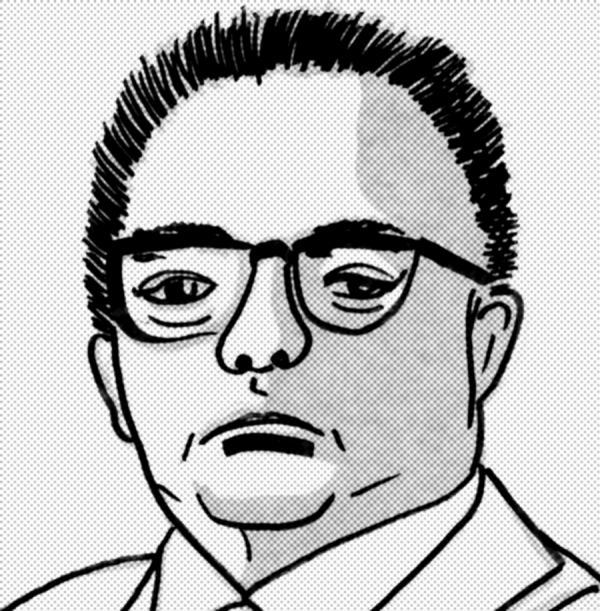
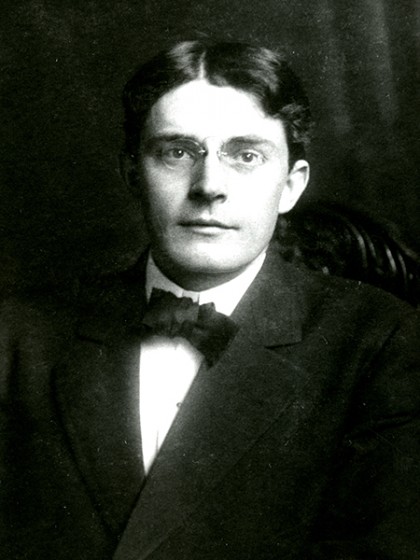
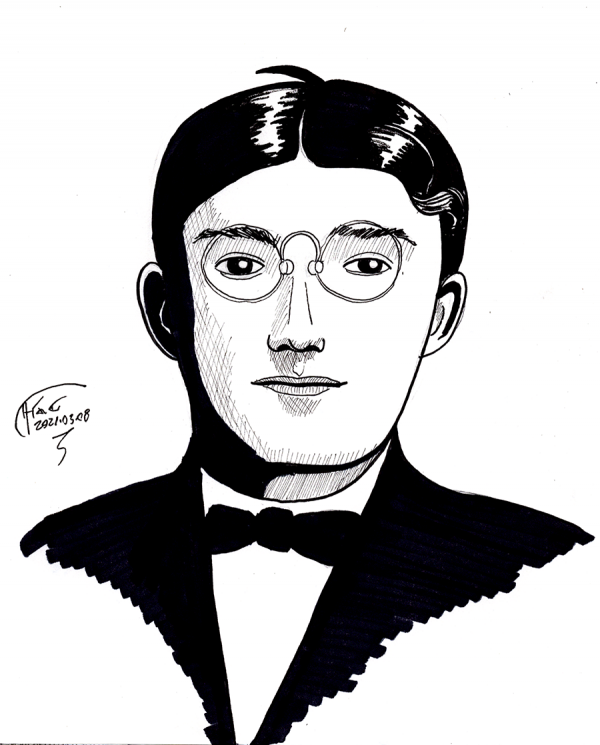 Quick sketch of John Watson. Kind of reminds me of a cross between H. P. Lovecraft and Clark Kent.
 Drawing every day.
-the Centaur
Drawing every day.
-the Centaur 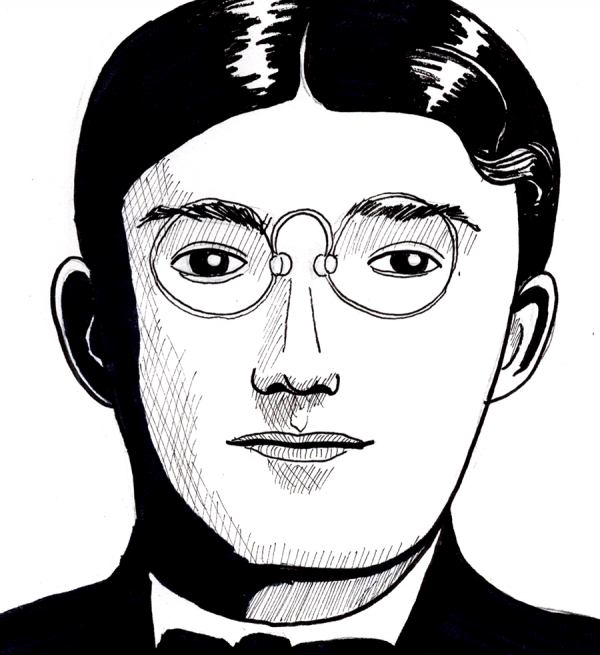
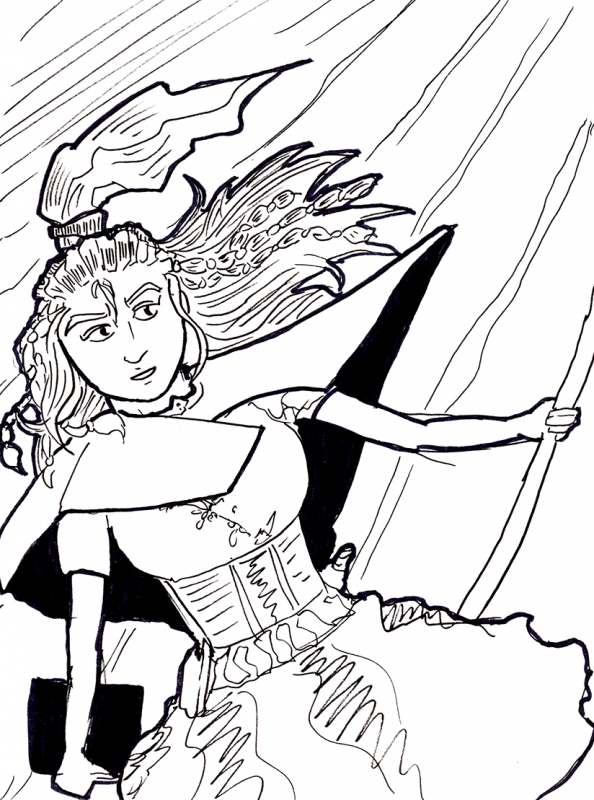 It's late and I'm tired and want to get to bed early, so here's a suuuper quick sketch of Xiao from f@nu fiku hanging out at a bridge of some kind. (She's up in the cables, goofing around over a vast drop, because she is insanely acrobatic and unafraid of heights, living as she does on a lighthouse cantilevered out over a sheer cliff face).
Drawing (well, sketching) every day.
-the Centaur
It's late and I'm tired and want to get to bed early, so here's a suuuper quick sketch of Xiao from f@nu fiku hanging out at a bridge of some kind. (She's up in the cables, goofing around over a vast drop, because she is insanely acrobatic and unafraid of heights, living as she does on a lighthouse cantilevered out over a sheer cliff face).
Drawing (well, sketching) every day.
-the Centaur 
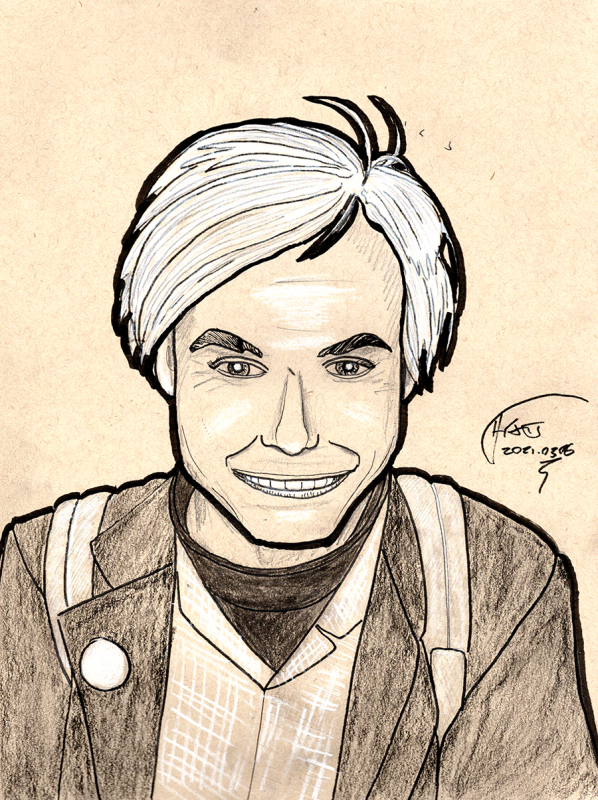 What started to a quick sketch ended up with me pulling out all the stops so I didn't have to stay up to 4:30 in the morning. Roughed with a 2B pencil on Strathmore 9x12 Toned Tan, then inked with Sakura Micron pens, with shading and white highlights with Winsor-Newton Hard, Medium and White Charcoal plus a little 2B and final outlining with a Sakura Pigma brush pen. I like doing renderings on toned paper as you can go up to white and down to dark, giving you more ways to push the drawing. The face still is too wide, and is missing something, compared to the source image (
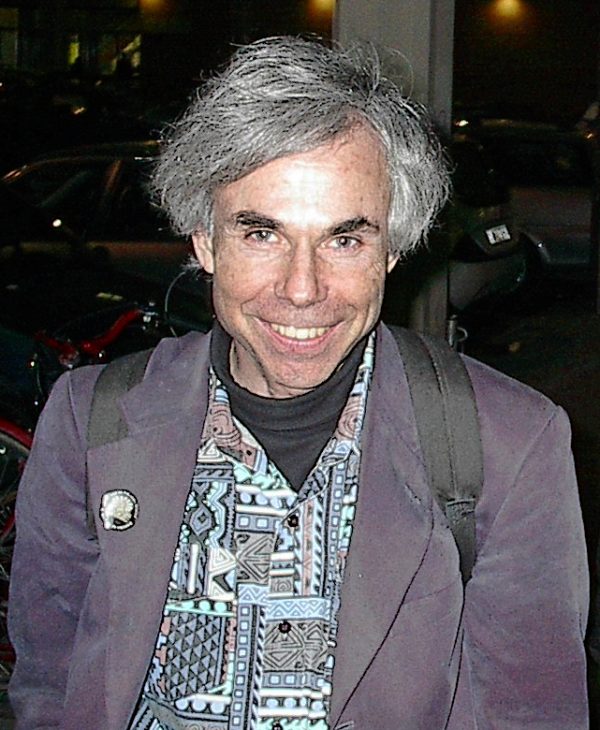 Douglas Hofstadter in Bologna, Italy - 06 March 2002[/caption]
Drawing every day.
-the Centaur
Douglas Hofstadter in Bologna, Italy - 06 March 2002[/caption]
Drawing every day.
-the Centaur 
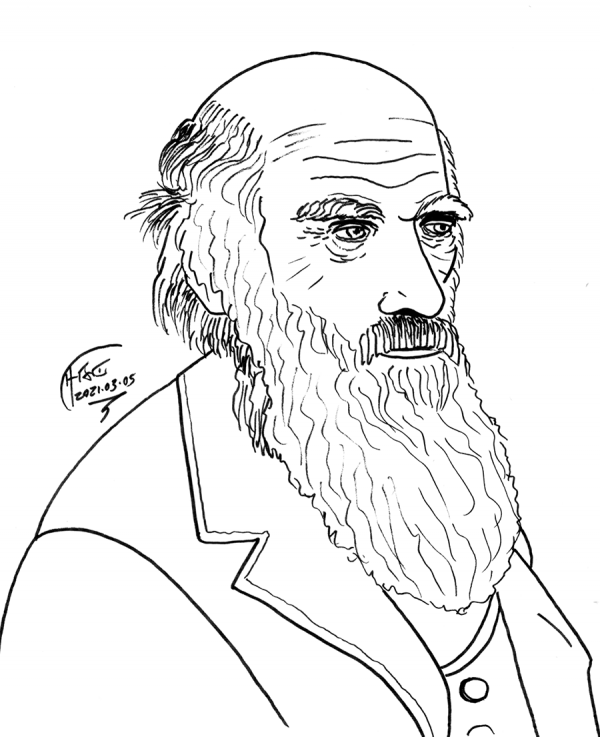 Charles Darwin, roughed on tracing paper, then traced over the roughs, both with a Sakura Micron 1 pen on the theory it's late and I'm tired (and I'm more comfortable sketching with ink than pencil anyway).
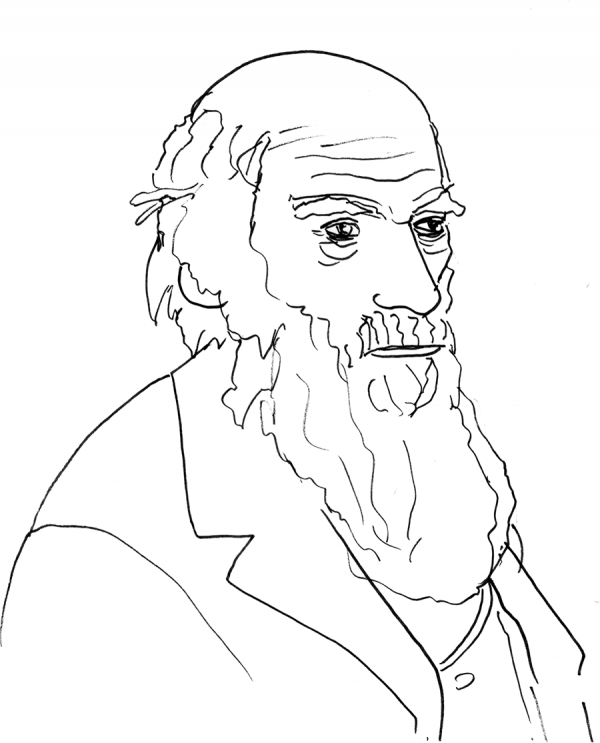 The rough enabled me to get the guidelines of the shape in place, letting the drawing focus on the details. Still, I'm exaggerating eyes and especially noses. Sigh. More work to do ...
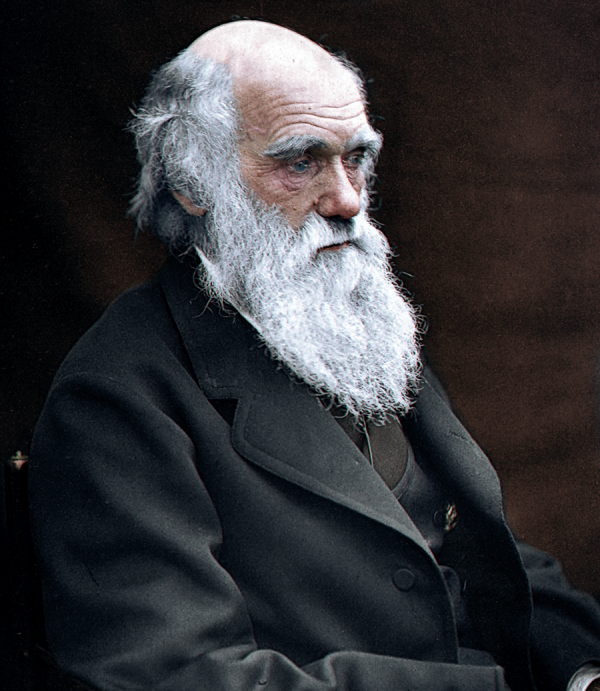 ... drawing every day.
-the Centaur
... drawing every day.
-the Centaur 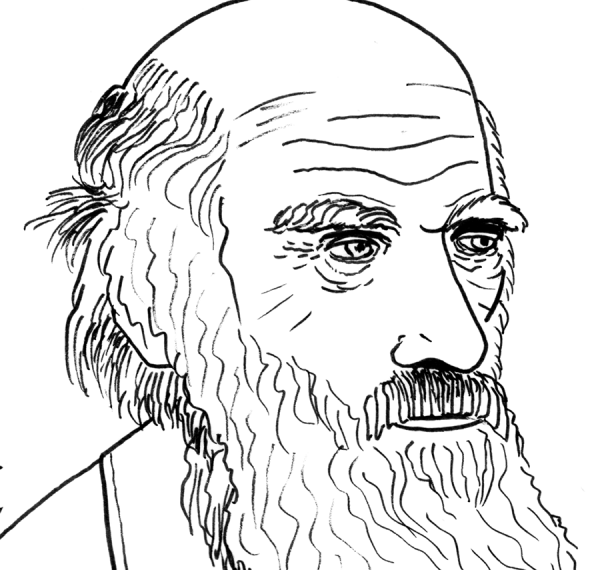
 King James, a quick sketch roughed out with a 2B pencil and inked straight with a Sakura Micron 1 on the theory it's late and I'm tired. Face came out a little too tall, at least based on comparison with this detail of the original painting by John de Critz:
 Drawing every day.
-the Centaur
Drawing every day.
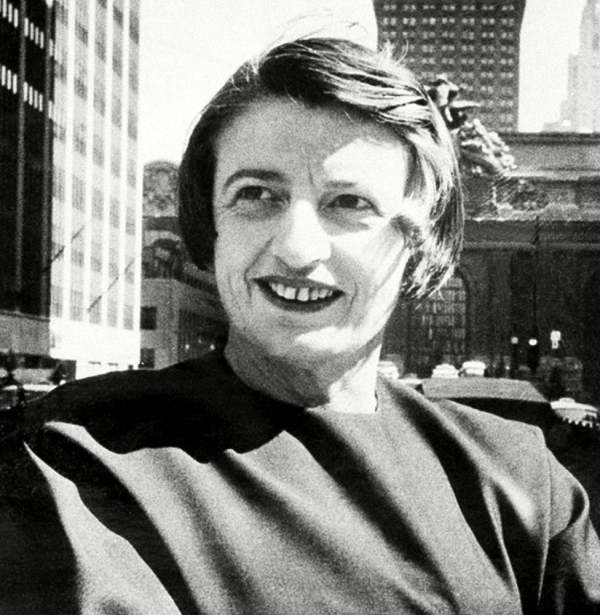
-the Centaur 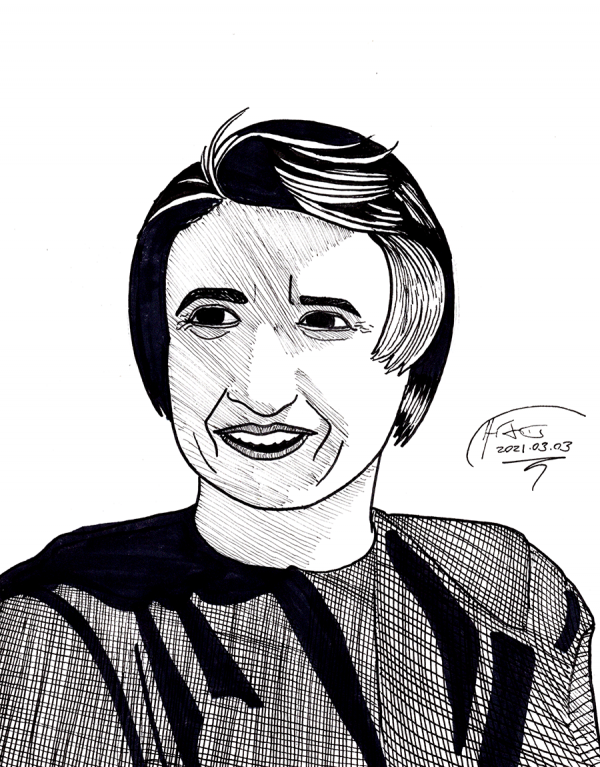 Ayn Rand, roughed and inked in my usual fashion on Strathmore 9x12, No.2 pencil, Sakura Pigma and Micron pens, Sharpies for deep blacks. I squeezed the face proportions a bit, trying to get it right, and started dropping a few of my crutches on this (the heavy outlines). Again I did the trick where I turned it upside down to get the landscape right, particularly the triangle of eyes and nose; I even got the eyeline right, but failed to extend that courtesy to the mouth, which is bent a bit to the horizontal.
Nevertheless, I think, it came out pretty well: she looks so happy.
Ayn Rand, roughed and inked in my usual fashion on Strathmore 9x12, No.2 pencil, Sakura Pigma and Micron pens, Sharpies for deep blacks. I squeezed the face proportions a bit, trying to get it right, and started dropping a few of my crutches on this (the heavy outlines). Again I did the trick where I turned it upside down to get the landscape right, particularly the triangle of eyes and nose; I even got the eyeline right, but failed to extend that courtesy to the mouth, which is bent a bit to the horizontal.
Nevertheless, I think, it came out pretty well: she looks so happy.
 Drawing every day.
-the Centaur
Drawing every day.
-the Centaur 